

[Dispatch=Reporter Kim Ji-ho] "It is all my fault."
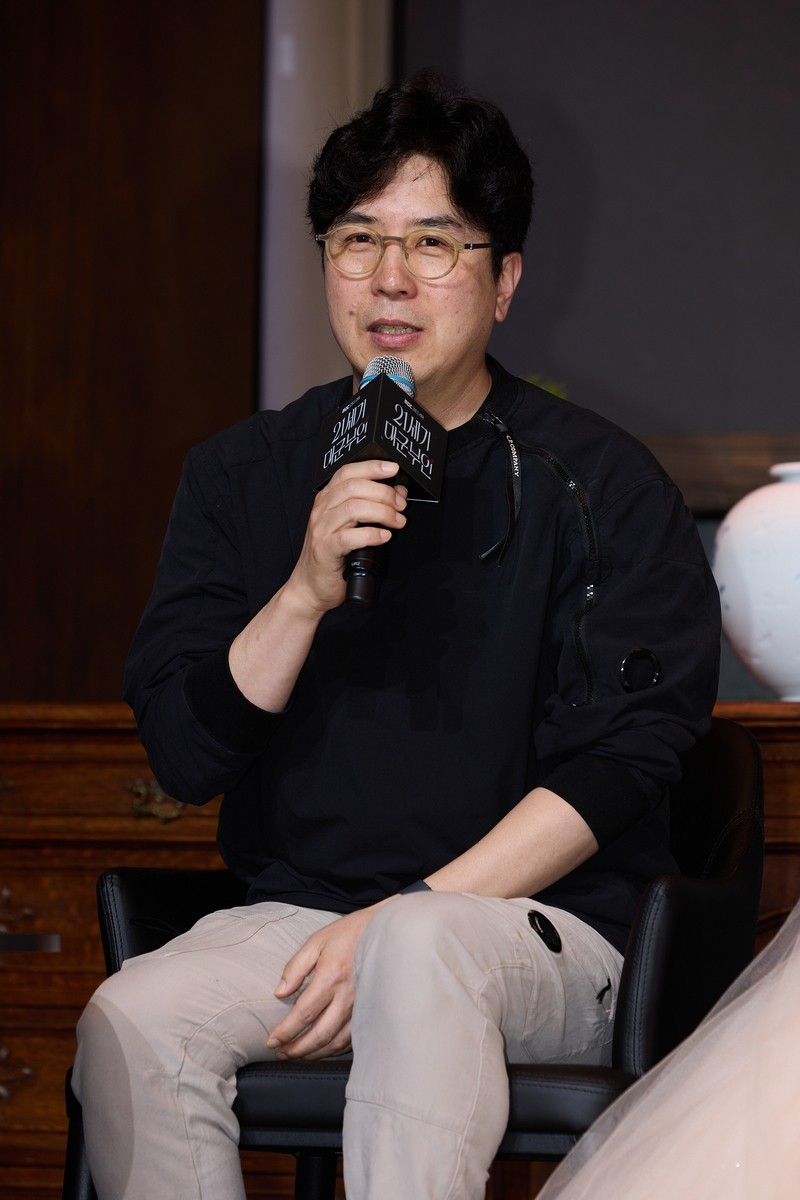
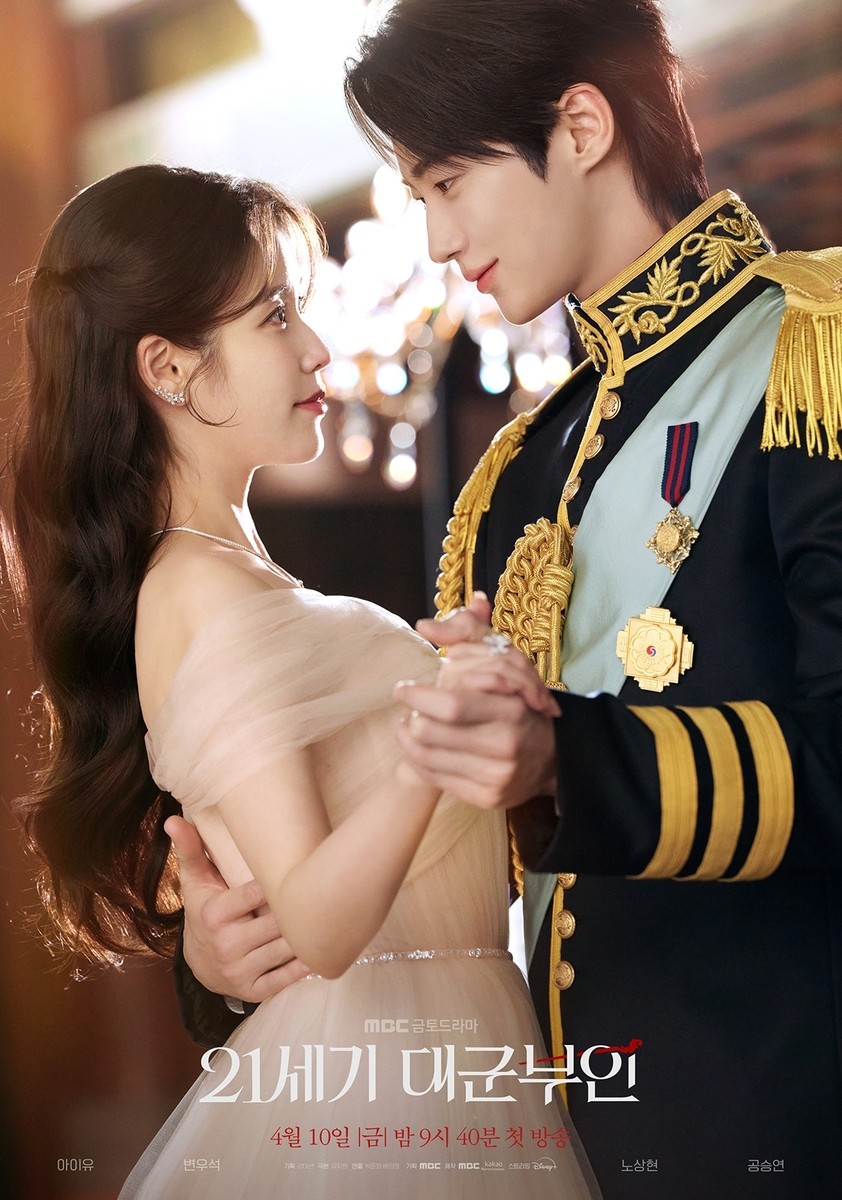
Director Park Jun-hwa of MBC-TV's "The Grand Concubine of the 21st Century" (hereinafter "The Grand Concubine") took responsibility. He participated in a round interview on behalf of the production team and cast of "The Grand Concubine," apologizing for historical inaccuracies and distortions.
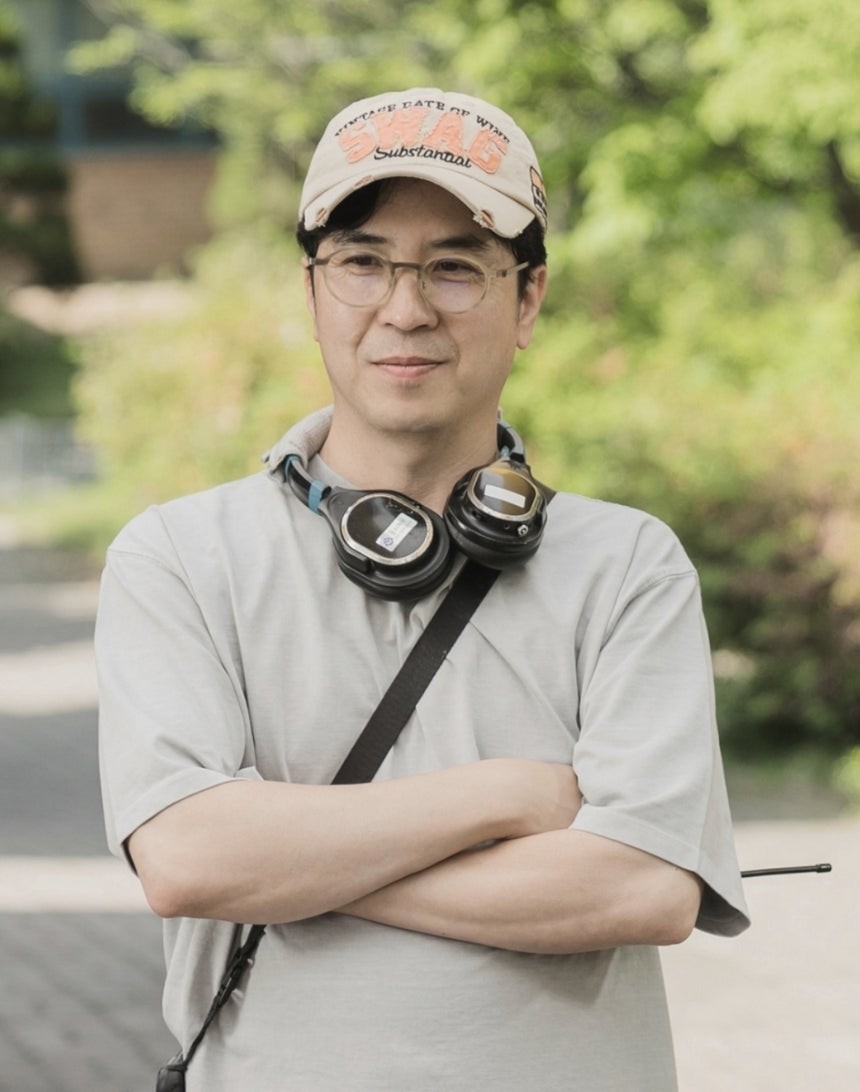
Director Park Jun-hwa met with reporters on the 19th at a café in Jongno-gu, Seoul. As "The Grand Concubine" faces intense criticism, he repeatedly bowed his head throughout the interview, saying "I'm sorry" and "it was insufficient."
"I made inexcusable mistakes. I apologize on behalf of the production team. In the case of this drama, deeper consideration and effort were necessary. However, that appears to have been lacking. I am sorry."
Director Park Jun-hwa's explanations and apologies have been organized in a Q&A format. To summarize, the production team did not intentionally distort history. Historical consultation was provided for each episode. However, fundamental setting flaws and the errors resulting from them were not addressed.
Q. You are the only cast member and production staff from "The Grand Concubine" to participate in this interview. What prompted you to come?
I felt that I was the person who went through this drama from beginning to end. Whether positive or negative, I believed I needed to accept it. I felt I made many mistakes, so I needed to apologize clearly. I am also sorry to those who watched it positively. It is because I could not preserve the enjoyment and emotion felt until the end. I believe I am the only person from this drama who can say this.
Q. The response to historical distortion and concerns about Northeast Asian project outweighs the excitement from a fantasy romance. What was your intention in creating this work?
Writer (Yu Ji-won's) intention was to depict a romance between the royal family and commoners. Additionally, the writer herself is fond of the Joseon era itself. In the meantime, she seems to have wondered what if those difficult moments in our history (the Korean War, Japanese colonial period, etc.) had not existed. "What if Joseon had continued for 600 years?" It started from this imagination. So I thought that the element of Joseon Dynasty was embedded throughout various parts of this drama. Within that context, we tried to express (history).
Q. "The Grand Concubine" is an alternate history drama. However, it was developed based on the actual Joseon royal family and real history. This is why historical consultation should not be neglected. How was the consultation conducted?
There were people who provided consistent historical consultation. Historians and professors. They read the entire script and verified it. I think those who took on advisory roles perhaps expressed dramatic allowance somewhat more generously, given that the drama's story involves a fictional royal family.
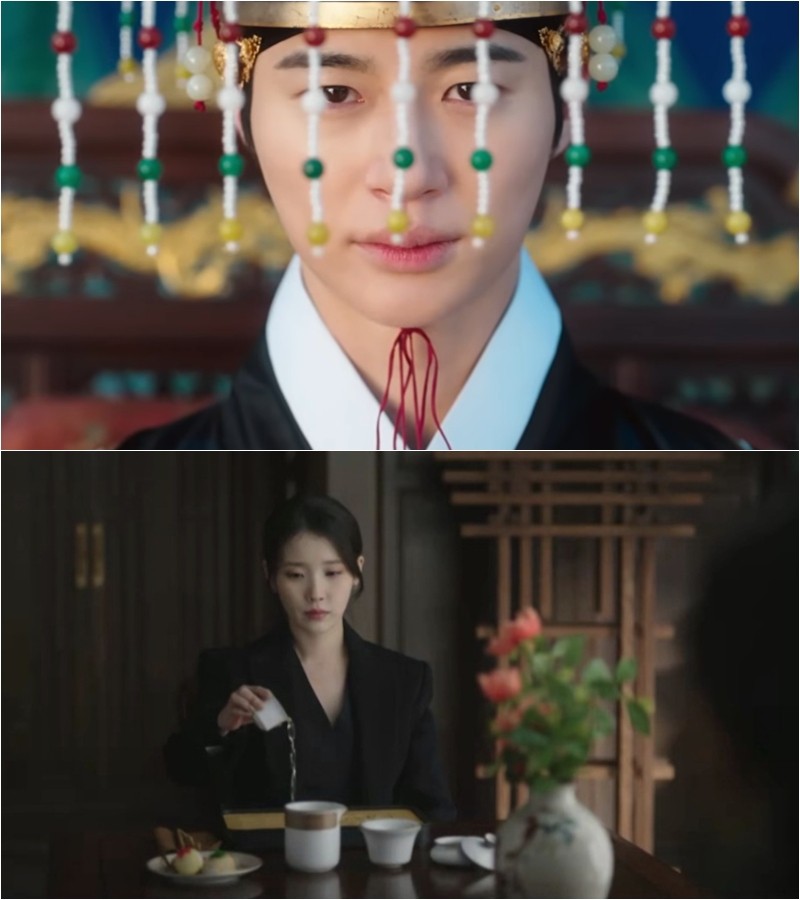
Q. Nevertheless, there has been much criticism about setting errors from early in the drama. Did you not monitor? Particularly in episode 11's enthronement ceremony, was there any reason to use "Cheonse" (天歲)?
In what is commonly called the four major rituals of life, there was an obsession with preserving Joseon Dynasty etiquette. It seems we were trapped by that. While it is right to preserve other aspects (marriage ceremonies and shrine rituals, etc.), I believe we should not have done so for the enthronement ceremony. That is due to my ignorance. I did not recognize the historical weight myself. I now think expressing it as the Korean Empire may not have been appropriate.
Q. To clarify, the enthronement ceremony itself follows Joseon Dynasty etiquette. Joseon kings, considering the China-centered East Asian order, received "Cheonse" rather than "Manse" (萬歲). But does such an order need to exist within "The Grand Concubine's" worldview of a powerful and independent nation? If only that etiquette is applied as is, doesn't it conflict with public sentiment?
There is a script setting (that the Joseon royal family continues), and we tried to do it within that setting. "Oh, what if I get this wrong?" The fear and compulsion were great. Regardless of reason, I am truly sorry. It seems that deep consideration of history and consideration of how that reflection would be received by viewers were insufficient.
Q. Could there not have been another way, to choose "imperial family" rather than "royal family"? There was clearly the Korean Empire, and the Republic of Korea that followed it existed. We deleted all of that and introduced "the Republic of Korea," and a gap emerged.
I visited a museum with the writer. The writer herself was very positive about things related to the Joseon royal family and took pride in history. (Of course, that does not mean she was negative toward Korean Empire history.) However, the writer's sentiment—"I did not want historical pain to be felt in this drama"—was very strong.
Q. I also think the selective application of historical consultation is problematic. Let's say "Cheonse" and "Hongsel" were appropriate in that situation. Then why was Ian's concubine called "Gunburin" rather than "Bubuin"? The queen dowager does not perform regency, and the grand prince performs as regent instead? The scene where the queen dowager kneels and prays before the grand prince? Is that not impossible?
This sounds like an excuse, but I was brought in somewhat late. There was insufficient time for preliminary work. When I took on this drama, the writer also wrote the script after that point. There was not an abundance of remaining filming time. In fact, I did receive consultation moment by moment. I think I relied too much on that consultation. However, it is difficult to hold one person accountable for responsibility. I believe it is right for me as director to receive diverse consultation. I cannot shake the thought that I myself was ignorant. I keep asking myself, "Why did I not ask a bit more?"
Q. The drama itself lacks quality. The genre was fantasy romance, but it felt insufficient. Political elements kept appearing from early on, with insufficient explanation. For example, what if subtitles or explanation were added about why the grand prince serves as regent? What if there were many flashback scenes that were cut and the story unfolded more considerately?
The direction the drama sought to take—in this work's case, the writer's thoughts were important. If those thoughts were expressed concretely and woven together tightly, a drama with completeness would emerge. Building the mid-story within romance, comedy, and history appears to have been difficult, and it seems the writer bore considerable burden. I also did not have much dialogue with her. In that context, we faced a situation where we had to express something within a set timeframe. I think the resulting insufficiency may be a result of that.
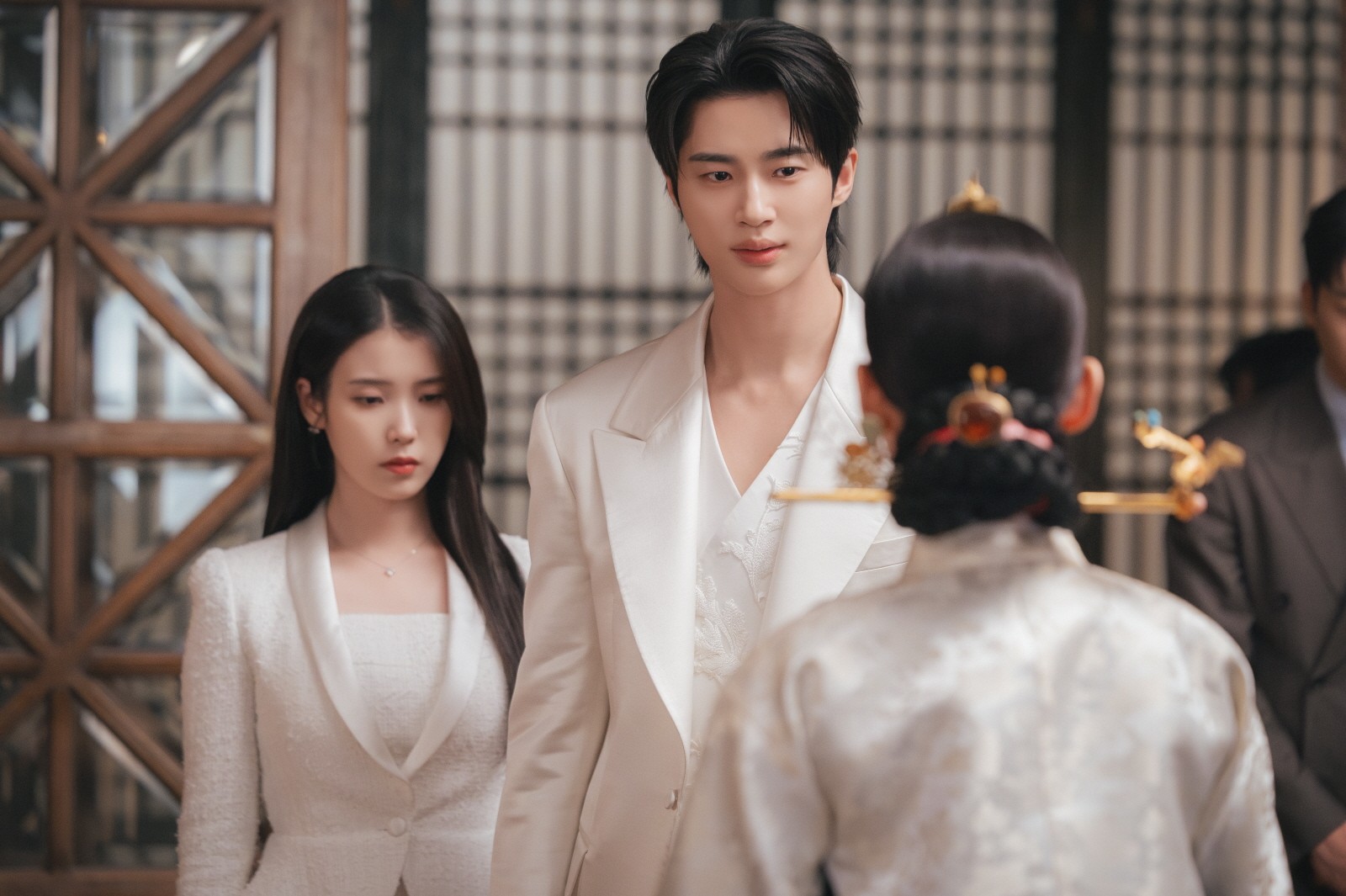
Q. Moreover, even the cast's acting had divided opinions. Both IU and Byeon Woo-seok faced acting controversies. How did you, as director, want to portray Sung-hee-joo and Ian's character?
Early in the drama, Hee-joo alone is proactive, makes suggestions, gets angry, and pouts. I felt that if these emotions were expressed too realistically, she could become unlikable or turn into a villainess. So when working with (Lee) Ji-eun, I requested a somewhat different feel. "Oh, she has a goofy side?", "She's unique?" These kinds of comments. I requested, "Isn't it important to dilute the negative image?" Additionally, I thought it was important that Hee-joo, an unpredictable character, meets Ian and gradually becomes shy and averts her gaze.
Ian also feels dry at first. You don't know what this person is thinking. When that dryness meets Hee-joo's zealousness, and gradually emotions are expressed one by one, wouldn't it become more charming? I thought if the relationship between Hee-joo and Ian was clearly contrasted, that would be good.
Q. If you have one final thing to say.
What I learned from "The Grand Concubine" is that the emotion and fun I could give at the beginning needed to be made with tension in some form until the very end. Additionally, that expression needed to be enjoyable for viewers until the very end. That seems to be my role, but I am truly sorry to viewers that I could not do that with this drama. If I have the opportunity in the future, I want to create a truly beloved drama based on this experience. Finally, I am truly sorry once again.
<Photo source=MBC, Kakao Entertainment>