


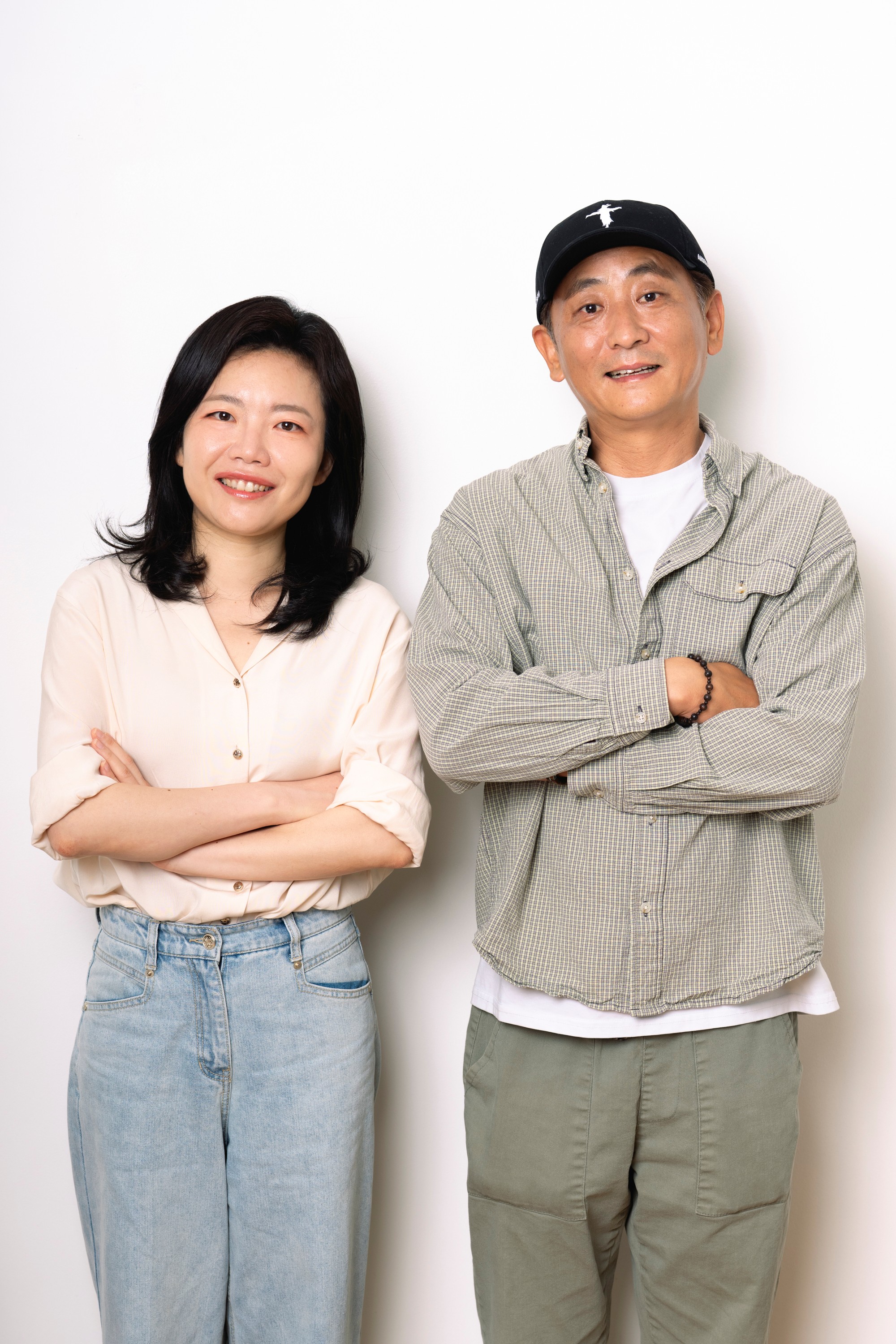
[Dispatch=Reporter Lee Myung-joo] "I was worried because it's a heavy story."(Director Park Jun-woo)
Works based on true events inevitably carry a different weight from the very start. What 'Scarecrow' took on was the Lee Chun-jae serial murders case that shook Korean society in the 1980s and 90s.
"(I proposed scheduling to multiple channels but) we received many rejections. We got feedback that it was heavy and depressing."
That makes sense—it's inevitably an agonizing narrative. Police failed to catch the perpetrator for over 30 years. The truth about Lee Chun-jae only emerged later, but it was too late. He escaped punishment as the statute of limitations expired.
It's not just the real culprit. Hidden perpetrators also frustrate viewers. Director Park pointed out, "The authorities inflicted double harm on the victims. (Yet) there was insufficient reflection."
"(This drama) decided on 'social commentary' as its conclusion from the very beginning. But it's so heavy, isn't it. I think we were worried whether viewers would like our work."
Dispatch conducted an end-of-series interview with the 'Scarecrow' production team at ENA on the 27th in Jongno-gu, Seoul. Director Park Jun-woo and writer Lee Ji-hyun represented the production team.
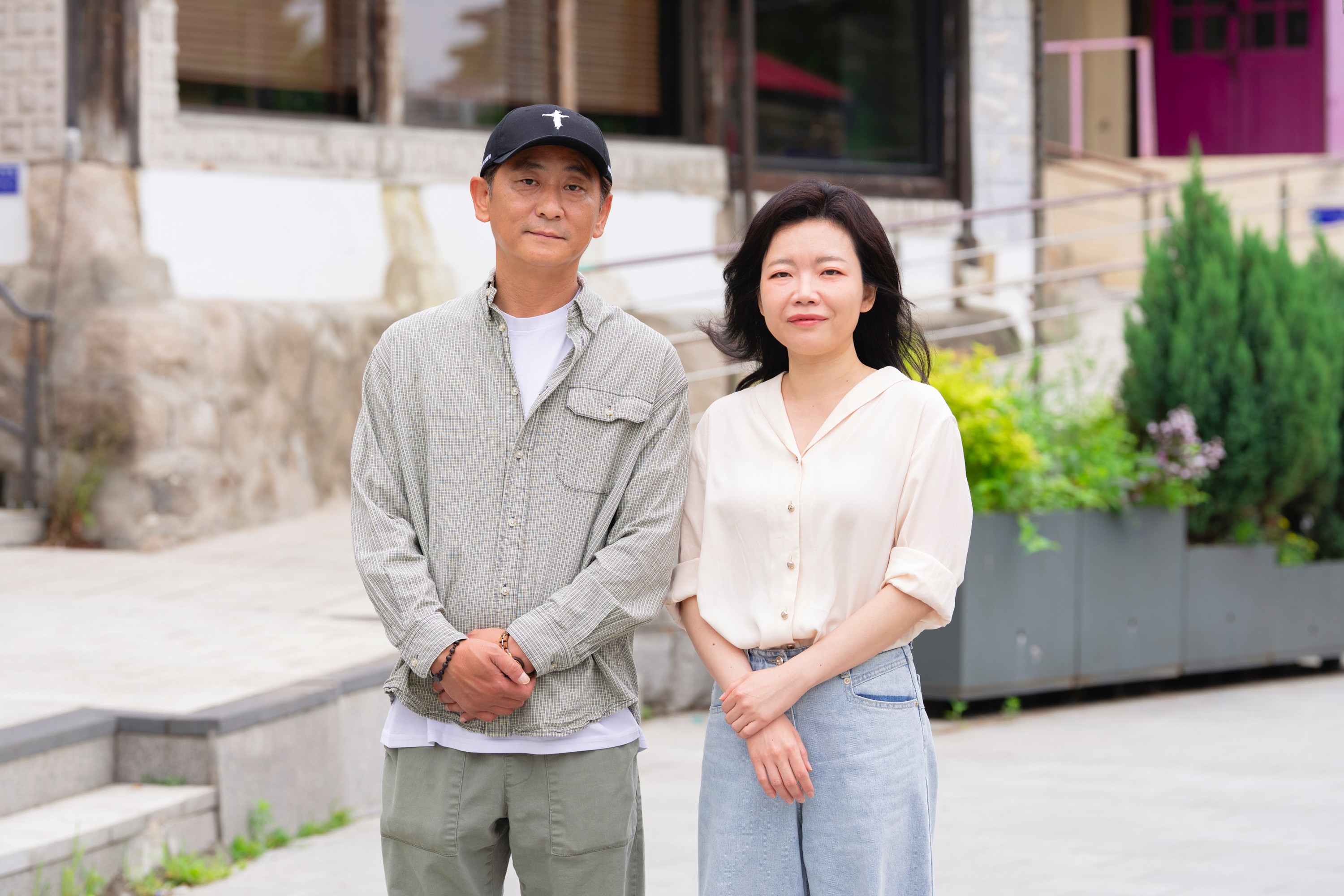
◆ Hidden Perpetrators
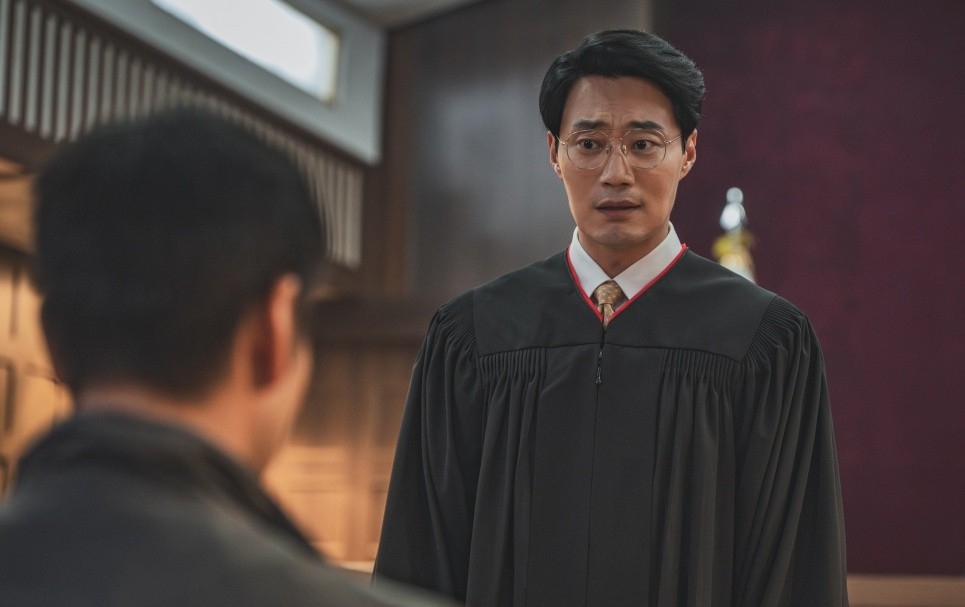
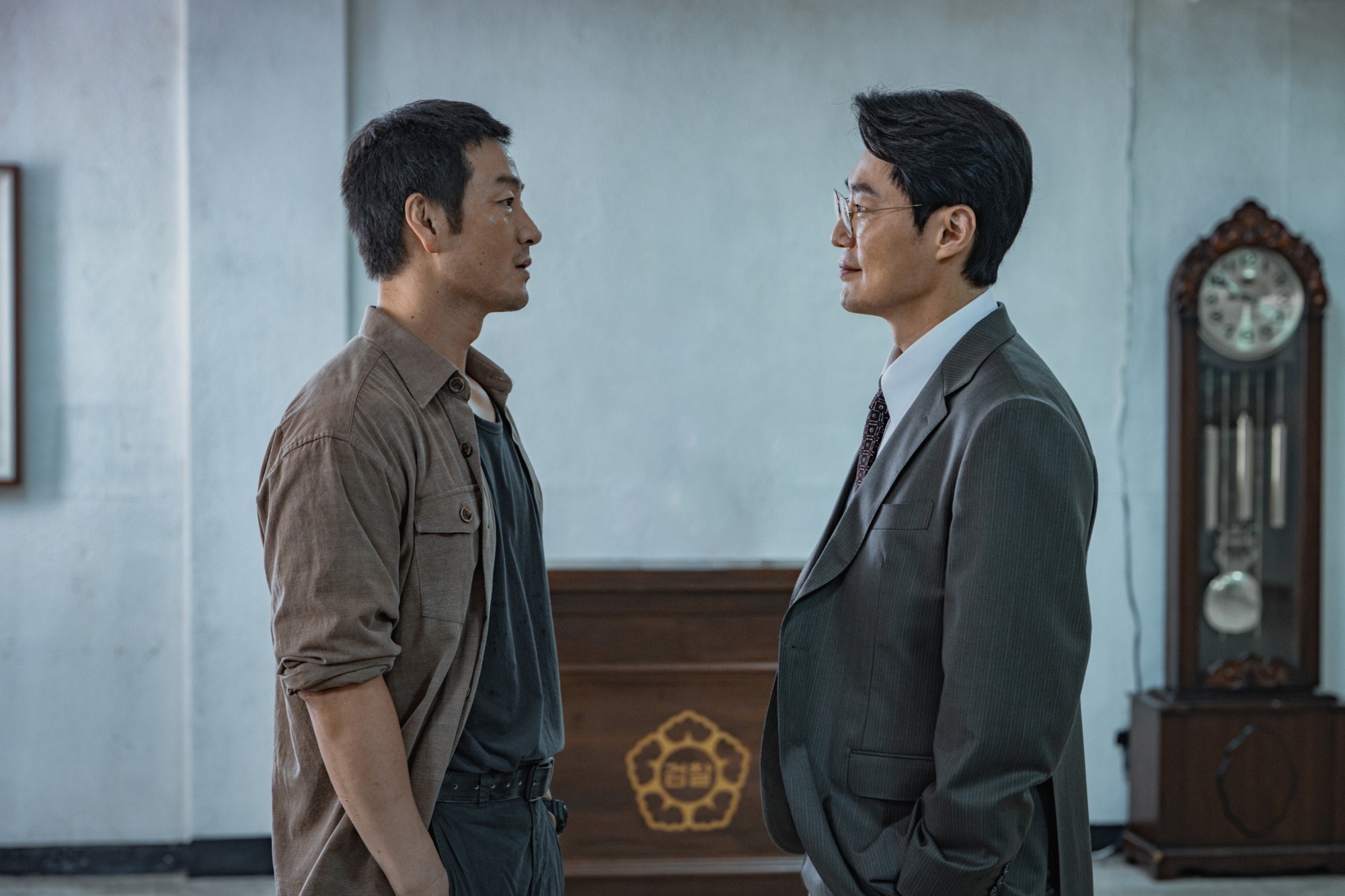
'Scarecrow' is a work inspired by the Lee Chun-jae case. Against the backdrop of a fictional village, Gangseong, a school violence victim and perpetrator become respectively a detective and prosecutor, forming a collaborative relationship.
Rather than focusing on the well-known real culprit, the team focused on victims and their families. Director Park recalled, "I once interviewed Yoon Sung-yeo and the late Kim Yong-bok, and I heard things I didn't expect."
Yoon is a man who served 20 years in prison after being falsely accused. Only after the real perpetrator was identified did he receive a not guilty verdict through retrial. Kim is the father of victim Kim Hyun-jung, whose body the police concealed.
"I didn't know much about the Lee Chun-jae case, but meeting these two people, I learned there were unexpected things. I thought, what if we made a drama about the tragedy they experienced?"
They chose to examine not only Lee Chun-jae's brutal crimes but also how state authority inflicted violence on the powerless. The stories of Yoon and Kim became the narratives of Seok-man and Hye-jin, respectively.
"The victims suffered double violence. In particular, the problems with state authority were enormous (falsely accusing someone uninvolved in the crime, concealing a victim's body, and so on)."
◆ The Process of 'Scarecrow'
The process, however, was not easy. It took approximately five years from planning 'Scarecrow' to broadcasting it on ENA. As scheduling kept falling through, the production team repeatedly redesigned character relationships and revised the script.
Writer Lee recalled, "It was difficult to blend the real event with the fictional. Since the ending is predetermined, wouldn't it feel uncomfortable for viewers?"
"(In reality, police did) send an innocent person to prison and bury a child's body underground. I wondered how far we could write this convincingly."
That's why they obsessed over accuracy. Beyond interviewing victims, they met with Captain Lee Jin-sook, Korea's first female professional profiler, to ask about the case.
They also leveraged connections. Director Park is a former 'Unsolved Cases' PD. He received materials from a junior PD who had covered related specials and examined them carefully.
"I also directed 'Unsolved Cases,' but I had never covered Lee Chun-jae. I knew it as a mysterious case. Materials from the junior PD handling it were a huge help."
◆ A Way of Mourning
The ending of 'Scarecrow' is grounded more in reality than dramatic license. Instead of 'refreshing fantasy' where villains are punished, they gave it realism.
It had to be this way. Director Park emphasized, "(KT Studio Genie asked) what about a morality-ending, but I had no heart for it. (In reality) no one paid the price for their crimes."
"Yoon had nothing to do with the case but became the criminal because he was poor. He lived difficultly for 30 years. If Lee Chun-jae hadn't confessed, the facts would never have been corrected—it's a tragic irony."
Still, they left some fantasy intact. A scene where Kang Tae-joo (played by Park Hae-soo) acknowledges his wrongdoing and sincerely apologizes to victims is a prime example. Writer Lee said, "I hope someone in reality will also seek forgiveness like Tae-joo."
Through Tae-joo's dream, the production team conveyed a message of remembrance toward those who were sacrificed. They depicted Tae-joo and all the villagers spending a peaceful day.
"(Because of the case) so much harm occurred. There are people whose daily lives were destroyed. If the tragedy hadn't happened, wouldn't those people be living small, ordinary days like us? (Through this work) we want to express our mourning."
Meanwhile, 'Scarecrow' concluded on the 26th. It finished strong with a 8.1% viewership rating, the second-highest in ENA drama history.
<Photo provided by Studio Anjailen, KT Studio Genie>