


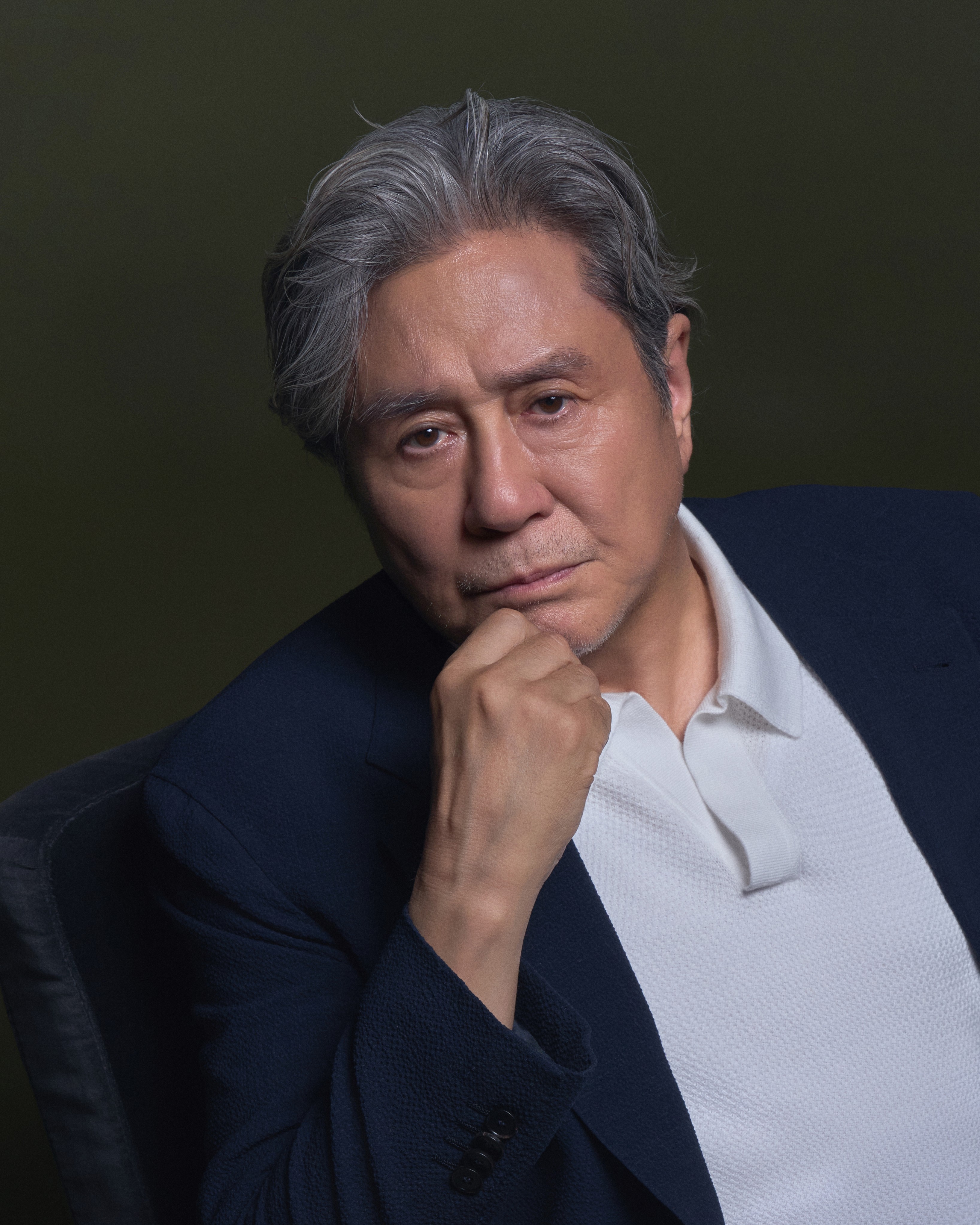
[Dispatch=Reporter Lee Myung-joo] "Will viewers like it?"
There is no refreshing action, no gratifying triumph of good over evil. The Netflix series 'The Boy at the End of the Row' depicts the shabby and base journey of one man.
Choi Min-sik said, "Before the series was released, I had such thoughts. 'Will viewers like it?' 'Won't it be depressing to watch in summer?' I was worried."
"In summer season, works like 'A Special Class' and 'Kim Bujang' that are refreshing and demolish evil are perfect, right? (But our work is) a total mess of shabbiness. (laughs) I was a bit concerned."
But the concern proved unfounded. His crazed gaze sparked binge-watching. The story, with twist upon twist, kept viewers hitting "next episode."
The series ranked 8th in Netflix's global non-English TV shows within three days of release. It occupied the top 10 in six countries and regions worldwide, including South Korea.
'Dispatch' met with Choi Min-sik. He appeared in yet another tailor-made role as Heo Moon-oh in 'The Boy at the End of the Row'.
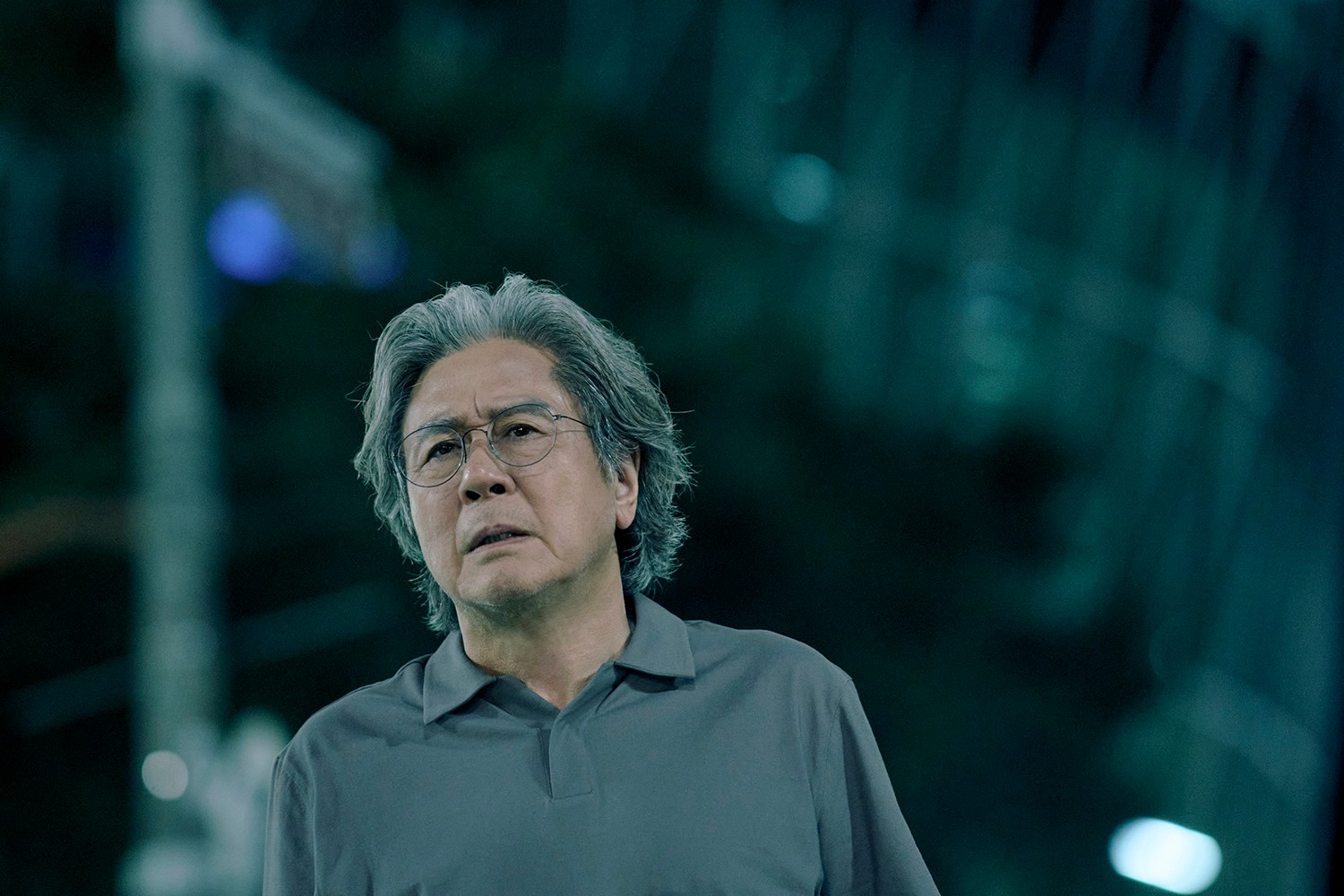
◆ Heo Moon-oh's True Self
'The Boy at the End of the Row' is a psychological thriller. It depicts the story of a failed writer and Korean literature professor who becomes obsessed with the writings of a boy sitting in the back row of his classroom.
Choi Min-sik recalled, "I decided to appear as soon as I saw the script. It had a classic feel" and "the fact that it was different from current trends was (actually) good."
"(These days, protagonists) fly around or have endings where good triumphs over evil, right? Of course that's also good, but (after watching) I wanted there to be something to think about."
He was waiting for a work that enables deep inquiry rather than ending in pure entertainment value. He added, "('The Boy at the End of the Row') strips away uncomfortable truths and lets you see the raw meat itself."
"I've enjoyed short stories since school days. I like stories that are brief but resonate. (Like those stories) the point of exposing Heo Moon-oh's ugly nature resonated with me."
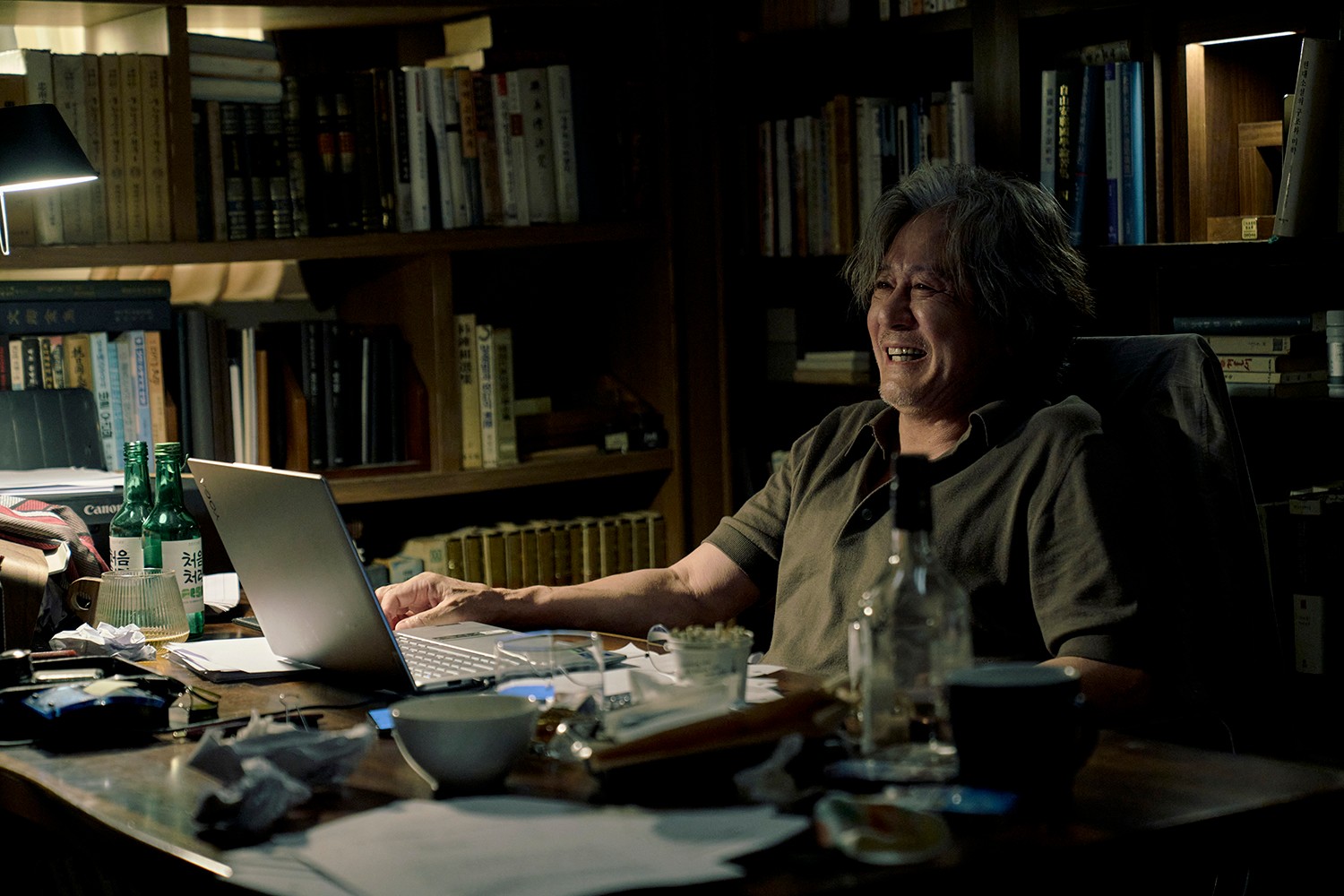
◆ Vigilance Against Verbal Karma
The drama's appeal lies in the story itself. Twists between truth and fiction, the cycle of relationships binding each character—these drive viewers relentlessly to the final page.
The weighty thematic consciousness also stands out. It rewrote the definition of violence. It emphasized that not only physical assault but also words and writing can constitute violence.
Choi Min-sik expressed this as 'guop' (口業), or verbal karma. "The words he carelessly uttered left wounds on Ikanrg (played by Choi Hyun-wook). (Eventually) Ikanrg uses writing as a means of revenge," he said.
"It's a work that highlights the violence of words and writing. While writing can sometimes provide positive stimulus, in 'The Boy at the End of the Row', it often becomes violence."
It connects to present reality as well. Choi Min-sik expressed his view, "I think this work has implications for our current times of rampant hatred and violence."
"A cycle of violence, so to speak. We wound each other with words and writing, moving beyond distrust into hatred. I hope these things become an opportunity to reflect on verbal karma in real society."
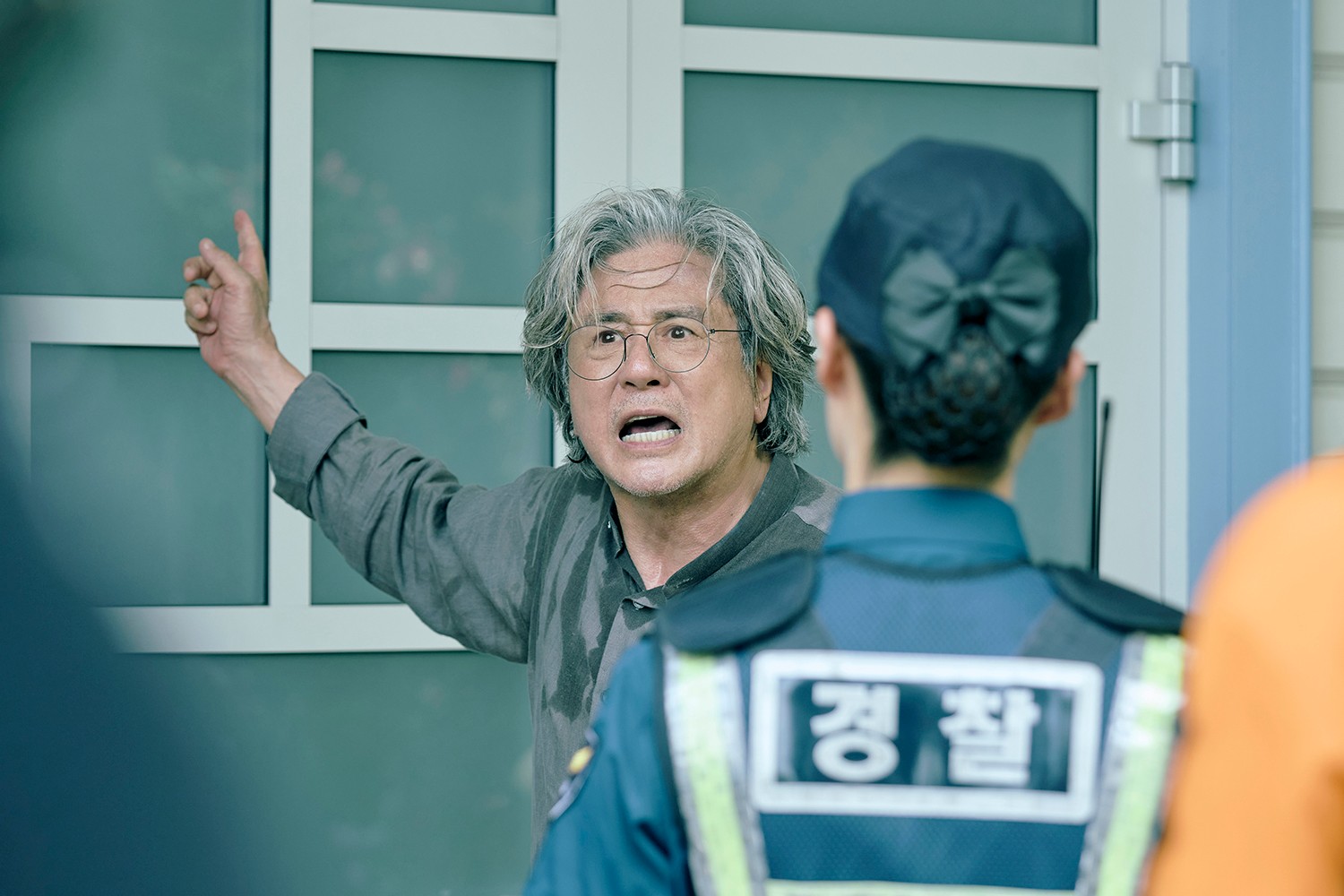
◆ Divided Opinions, Nevertheless
However, opinions are divided. The protagonist Heo Moon-oh is depicted as having malicious traits beyond being unlikeable. A pedantic professor enchanted by his student's writings, standing on the boundary between observation and voyeurism, who ultimately crosses the line—this imparts a bitter aftertaste.
It is also chilling that this is not a villain existing only in drama or film, but a human one might encounter somewhere nearby.
Choi Min-sik agreed. When asked about Heo Moon-oh, he recoiled, saying, "I really hate him too. If he were beside me, I'd say, 'Why do you live like that?'"
Nevertheless, he had to understand Heo Moon-oh. Choi Min-sik explained, "How could I act if I didn't understand him? I immersed myself in that life to become the most dependable advocate for him."
"I even felt compassion. He lives with inferiority complex, tormenting himself. So he felt more human. I tried to understand, thinking 'How much more must he suffer.'"
◆ Choi Min-sik and Choi Hyun-wook
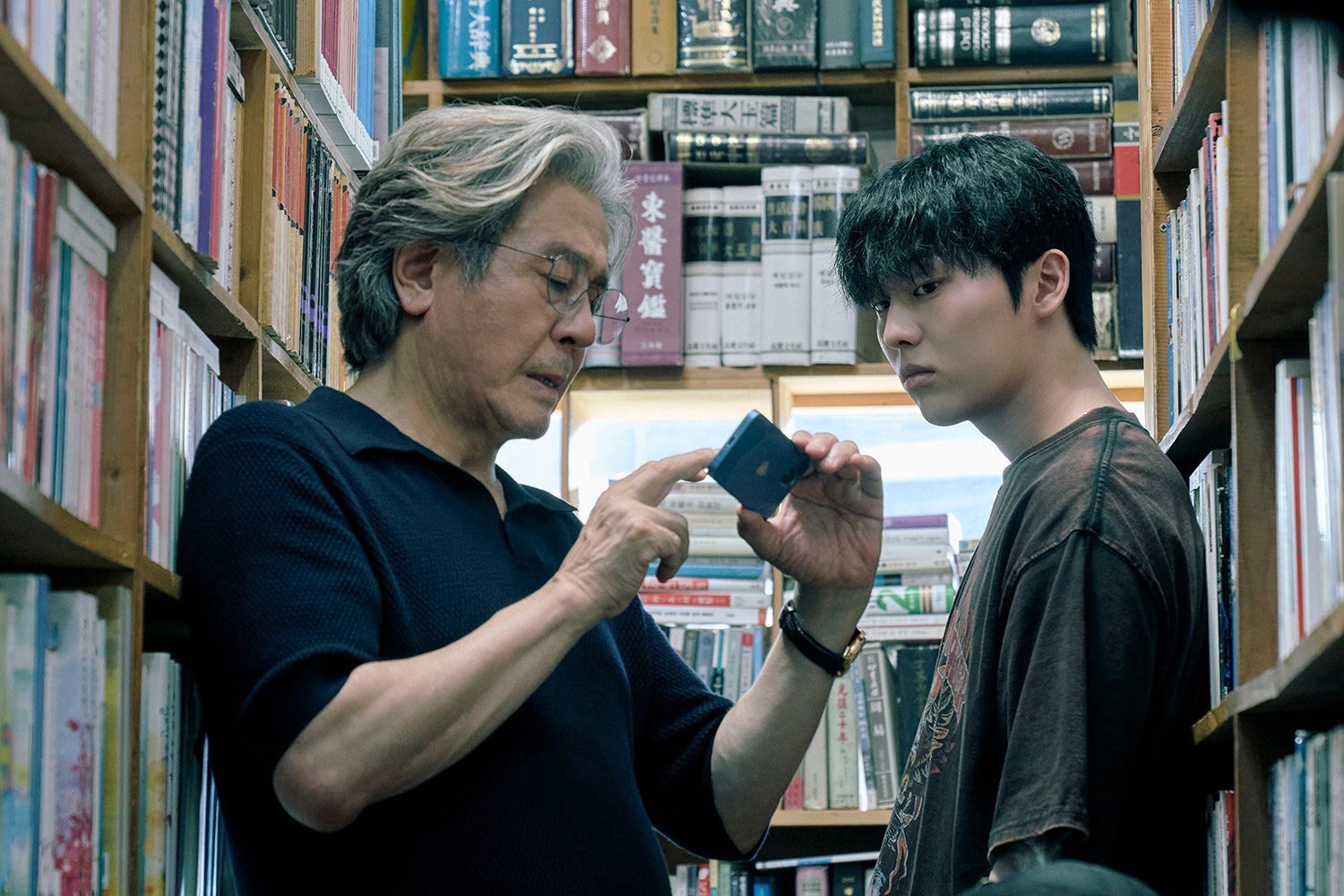
The reason it cannot stop despite the character's unpopularity lies in Choi Min-sik and Choi Hyun-wook. The two completed a taut teacher-student relationship. They overcame a 40-year age difference and showcased densely interwoven performances.
Choi Min-sik said, "(My role is) like a receive in table tennis" and "doesn't he fall directly into the booby traps laid by Ikanrg? I had to not miss Choi Hyun-wook's acting," he said.
"(Choi Hyun-wook) acted well. It was beautiful. 'How does he gaze at me so perfectly?' I was often amazed. I was very satisfied."
Particularly the first episode's classroom scene where Heo Moon-oh calls Ikanrg aside to propose a literature lesson is exemplary. When Heo Moon-oh asks, "Are you envious of Kim Se-yoon?", Ikanrg instead turns the question back on him.
Choi Min-sik marveled, "I stood before the camera not as senior and junior but as colleagues, and when he says 'You know too, Professor? That kind of feeling?' it felt like I took a hit. That line stuck with me and I delivered genuinely caught-off-guard acting."
◆ The Leading Actor's Goal
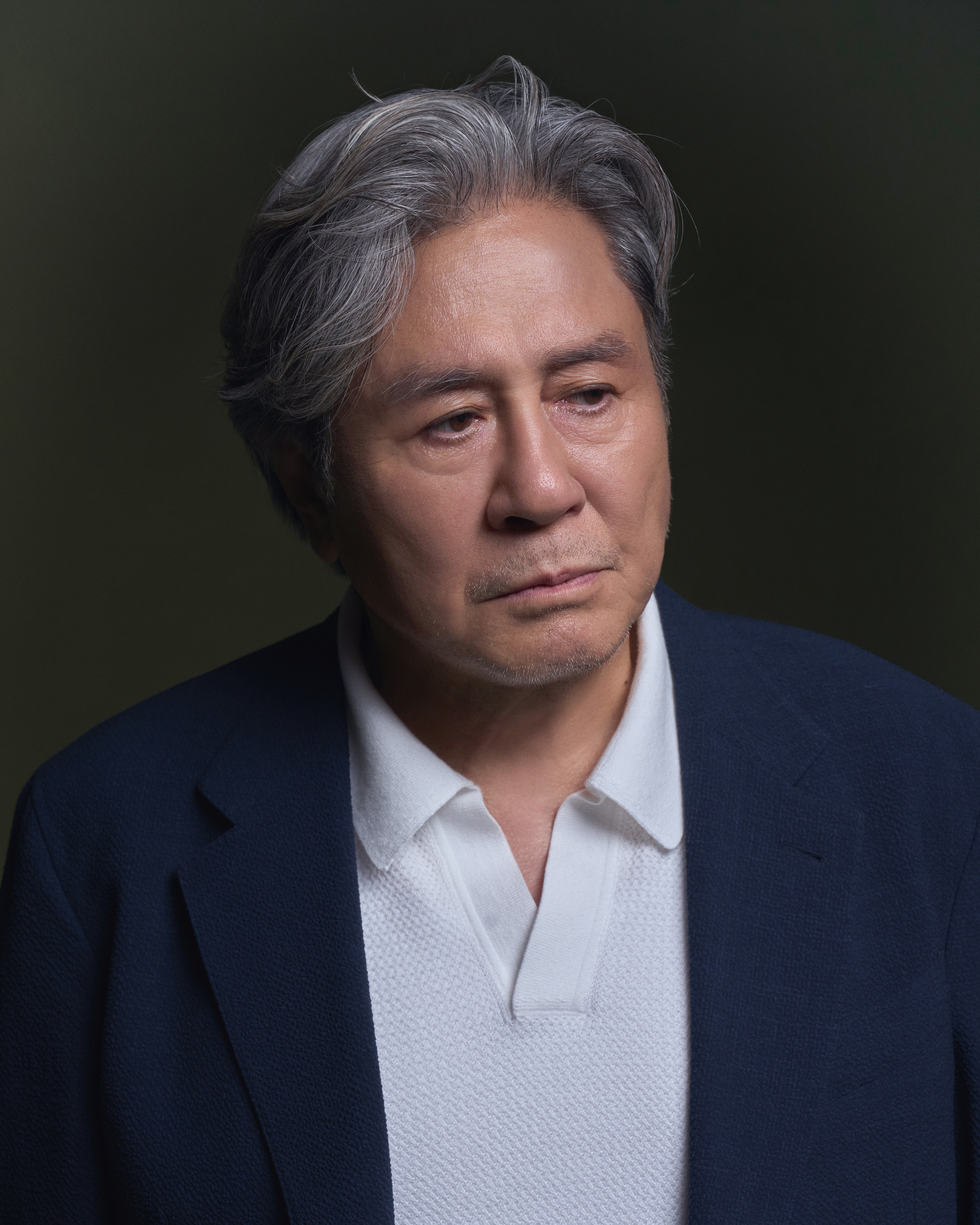
It has been 45 years living as South Korea's representative actor. Choi Min-sik has moved between theater stages, dramas, and films, showing diverse facets.
From an innocent country boy (Moon of Seoul) to a gangster-like prosecutor (Number 3), a man consumed by revenge (Oldboy), a psychopathic serial killer (I Saw the Devil), a historical hero (The Admiral: Roaring Currents), to a geomancer facing peculiar circumstances (Exhumation).
With each work, he surpassed his own limits. He did not choose genre or role. If the work was good, he had no reservations.
"There seems to be nothing happier than meeting good works. It's painful to hit the limits of expression, but the process of overcoming them is meaningful to me."
Though a veteran in the industry, he still dreams of better acting. Choi Min-sik confessed, "Even after all these years doing this, I still have many desired works. There's much more I want to properly express."
"As I get older, people mostly ask me to play father roles… (laughs) There's nothing I can't do as an angel or a devil. I want to gather what I've experienced in life—love, affection, anger, justice—and express them within a work."
<Photo source=Netflix>