


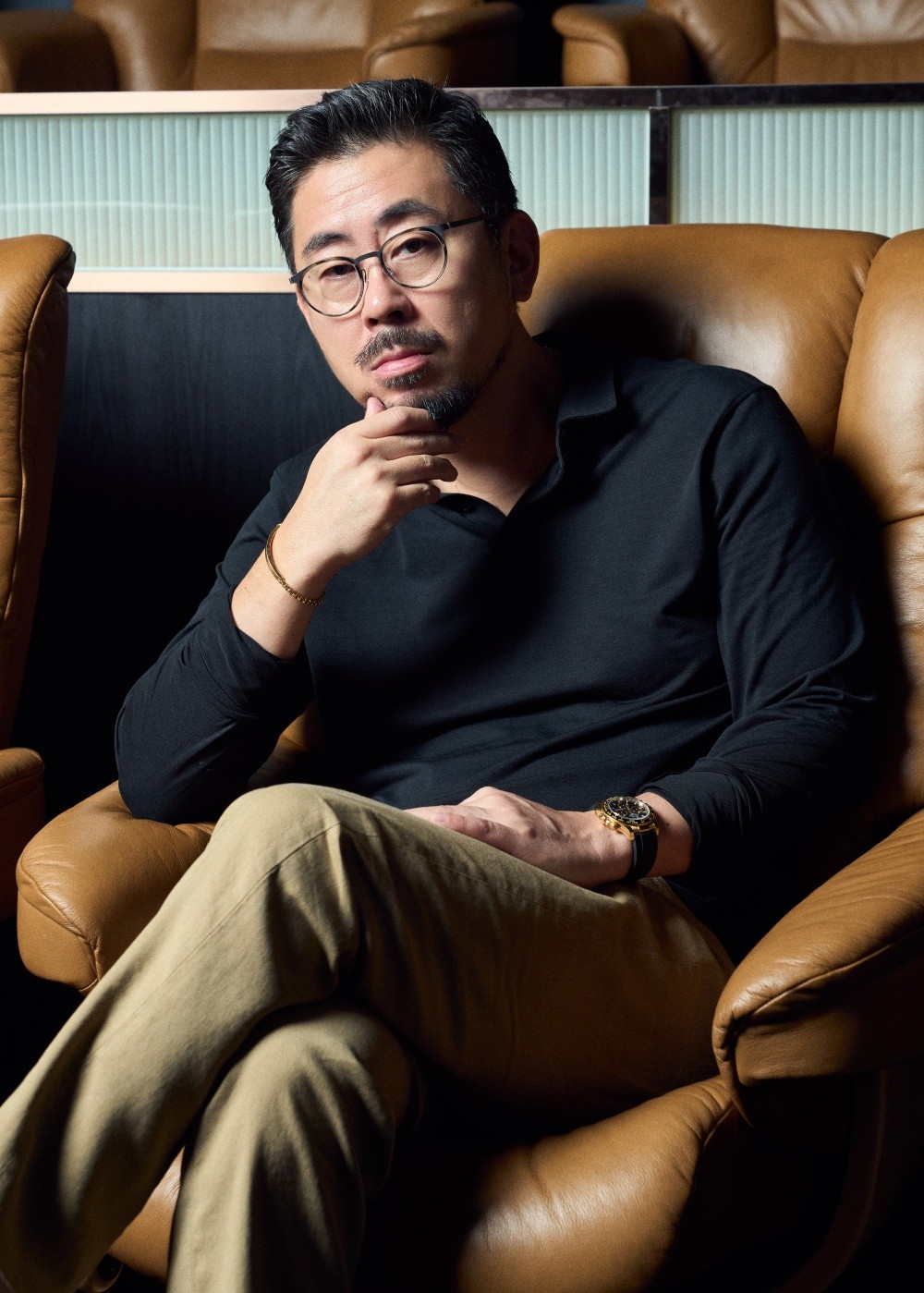
[Dispatch=Jung Tae-yun Reporter] Director Na Hong-jin does not call himself complete. Rather, he operates from the premise of shortcomings, stubbornly working to narrow that gap.
The film "Hope," completed over eight years, was no exception. Even after the Cannes premiere screening in May, he went into revision meetings through the night.
And he met again ten days before the release. He took another step forward. After finishing the domestic preview screening, he went back to rework the sound mixing and CG.
"Being able to do things freely seems like something from a distant land. That's how much there is still to experience and how difficult I think it is. There are still many shortcomings."
How did "Hope," questioned until the end and revised until the end, come to be? Dispatch recently met with Director Na Hong-jin to hear that story.
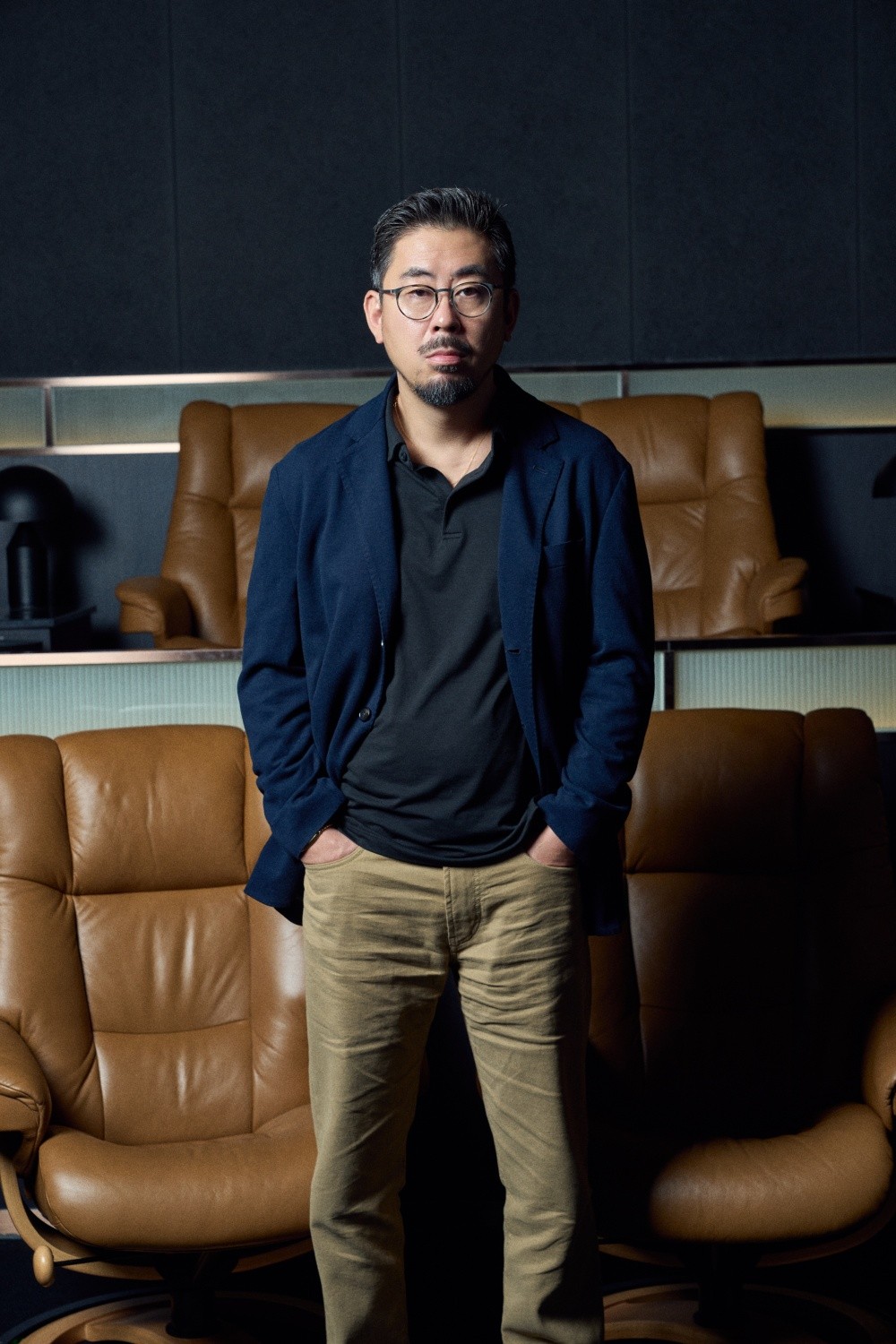
◆ "Rather than an SF genre…"
"Hope" is set in the demilitarized zone's Hopohang and depicts people chasing an unidentified entity. Through a desperate battle to protect their village, they face a tragedy of the entire universe.
It is Director Na Hong-jin's new work in ten years. Through thrillers and noir, he has depicted the evolution of fear. This time, he made an unexpected attempt. The appearance of aliens.
It is receiving praise for pioneering a new film not seen in Korean cinema. He said, "If 'The Wailing' utilized supernatural phenomena, this time a more advanced perspective was needed."
He continued, "I wanted to start with supernatural phenomena and move to something greater. Thanks to that, the space of the universe naturally came about. If an outsider was sufficient in 'The Wailing,' in 'Hope' various things seemed necessary, so I brought in aliens."
Yet calling it SF somehow feels off. Na Hong-jin said, "I don't know what to call it either," emphasizing that "what was more important than what genre it is was how the audience sees and feels that phenomenon."
◆ Collision of two forces, a perpetrator without malice
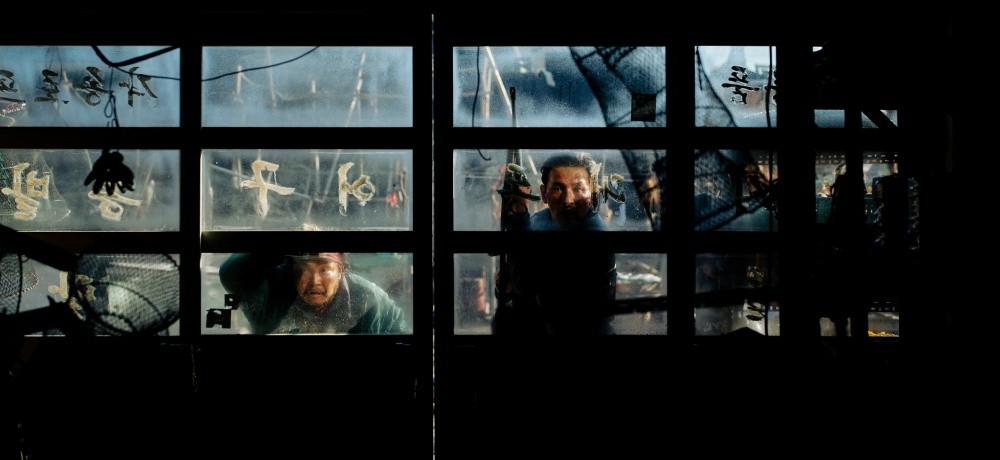
The film's plot is very simple. A trivial matter that spirals out of control. Within that process, a collision between two forces (humans and aliens) repeats twice.
The first is the collision between villagers including Beom-seok (played by Hwang Jung-min) and the unidentified entity. The second is the collision between Sung-ki (played by Cho Jin-sung) and the alien.
Within that lies a question about malice. Na Hong-jin said, "After watching the film, you can see both sides' perspectives, and I wanted to tell a story about how the person who provided the cause may not necessarily have had malicious intent."
Showing the circumstances of each of the two forces—humans and aliens—is part of the same context. He said, "It's the same collision, but I hoped the circumstances would feel different before and after."
"The aliens had their circumstances, but I wanted to guide people to feel that from the human perspective, there was no choice but to attack. I hoped people would unintentionally come to think from the human perspective."
◆ A gamble on Hwang Jung-min
As bold as bringing in aliens was another daring attempt. The first 50 minutes with no creature appearing, showing solely Beom-seok's process of chasing its existence.
He described this 50 minutes as a "challenge." He revealed, "Looking at the text alone, it's 'Beom-seok searching for a monster and wandering around the neighborhood.' Looking at only that, it's a very typical setup."
He continued, "But I actually expanded it there. It was done with the mindset of 'Okay, I'll go typical. But I'll make it killer.'"
"I wanted to expand even those situations, dig into them, and complete them with high polish. And that first 50 minutes was absolutely necessary for our film."
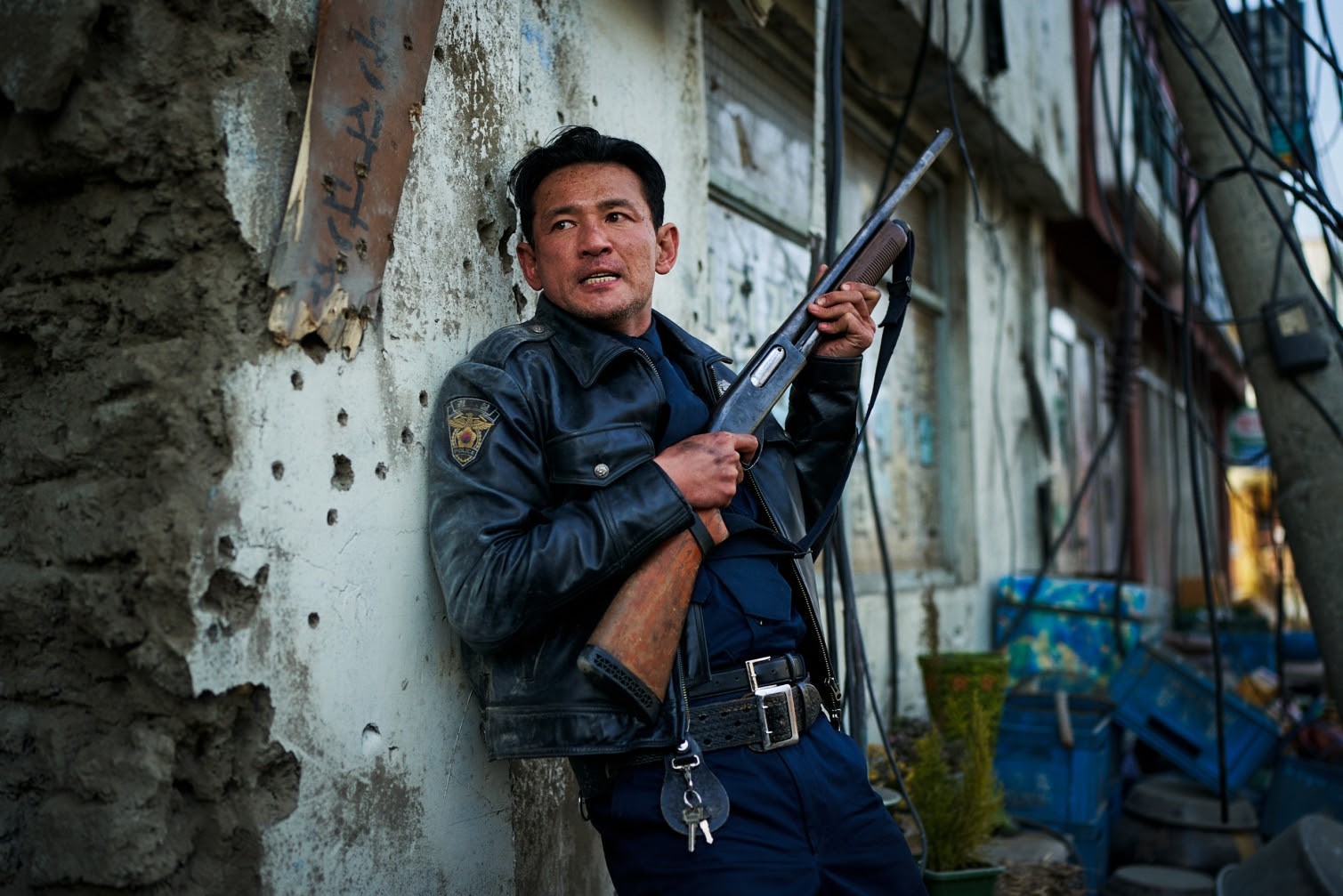
Above all, his trust in Hwang Jung-min was great. Na Hong-jin said, "There's no one to talk to, just running, moving, and walking while having to express things progressively. Because it's Hwang Jung-min, I wanted to take a gamble with near-certain faith."
◆ Revisions that never end
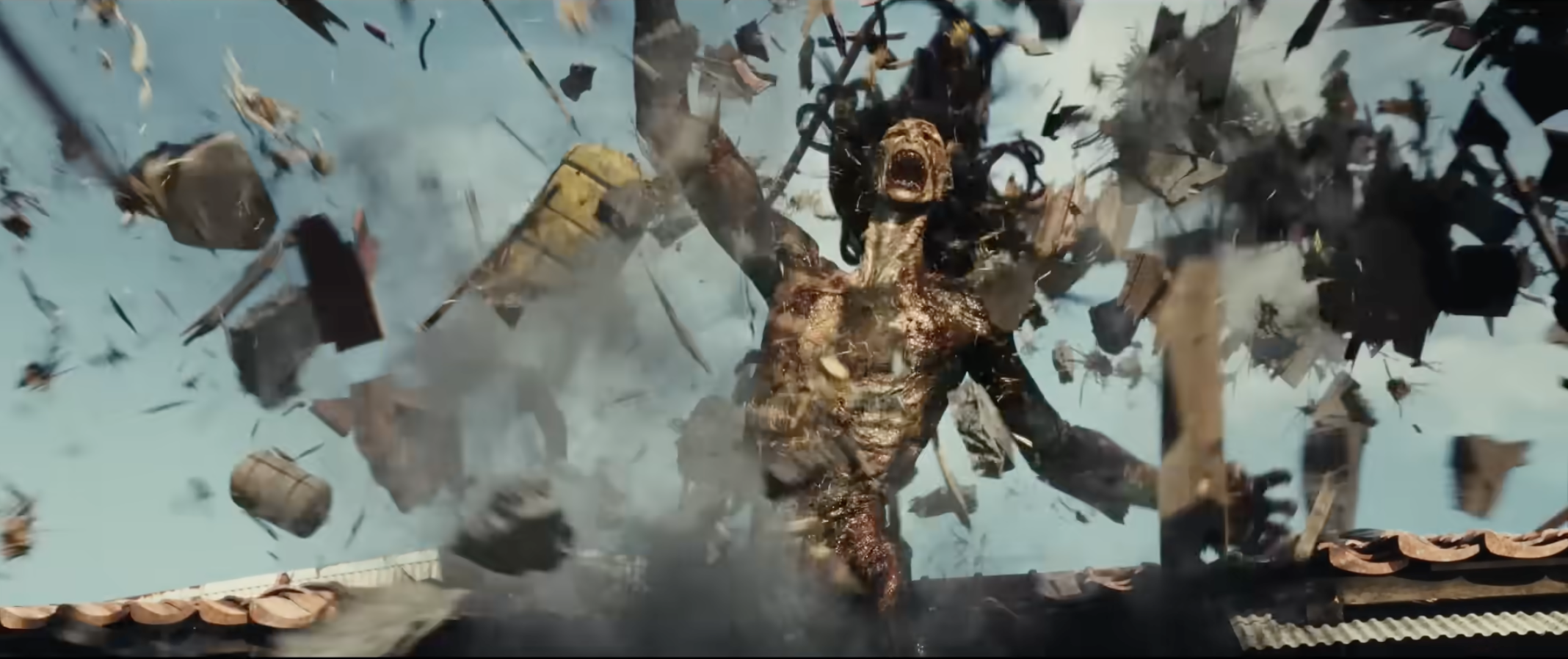
With new challenges came reactions to the CG as much as the film's content. Even after the Cannes premiere, the first thing put under scrutiny was the CG quality.
Revisions continued even after Cannes, and after the recent domestic press screening, he touched it once more. He said, "Right after the screening ended the night before, I rushed over and revised the sound mixing and gave additional revision instructions to the CG team and the DI room."
He said, "Even after this interview ends, I'm planning to organize Dolby Vision and finish in the US," and also lamented, "I don't understand why the CG looks that way."
"We used motion capture of real actors, but when we actually work on it, the matching doesn't work well. We essentially had to remake it. If it were real actor acting, we wouldn't be okay right now."
He also revised the editing. Na Hong-jin added, "I cut out what seemed like excess in the beginning and restored Yang-bae's story to its original state. I deleted about 5 minutes and added 3 to 4 minutes."
◆ Temperature difference in CG
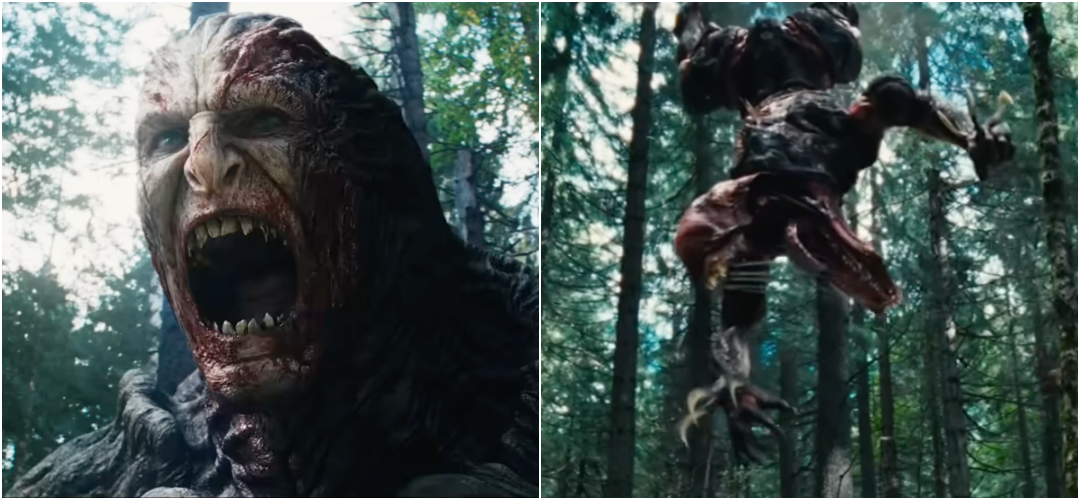
It is true that the visuals of the alien appearing against the backdrop of a village in Haenam feel somewhat awkward. However, the aliens appearing in the dense forest blended with live-action scenes without incongruity.
Why did a temperature difference emerge in the same CG? Na Hong-jin opened the conversation: "The truth is, people shouldn't know that what Beom-seok meets in 50 minutes is an alien."
"The problem seems to be that you're watching while already suspecting an alien appears there. So I designed the creature appearing in the village to not feel like an alien."
Moreover, the environment played a large role. Na Hong-jin said, "Doing such intense action in broad daylight itself isn't easy. We shot in Haenam and the coastal weather was really variable. The sun came out, clouds came, and it affected the CG. It's my mistake for running an alien through broad daylight."
◆ "There was no reference"
Alien warrior Maveyo (played by Michael Fassbender) shows various forms while transforming his appearance. With overwhelming speed, he chases humans and completes intense suspense.
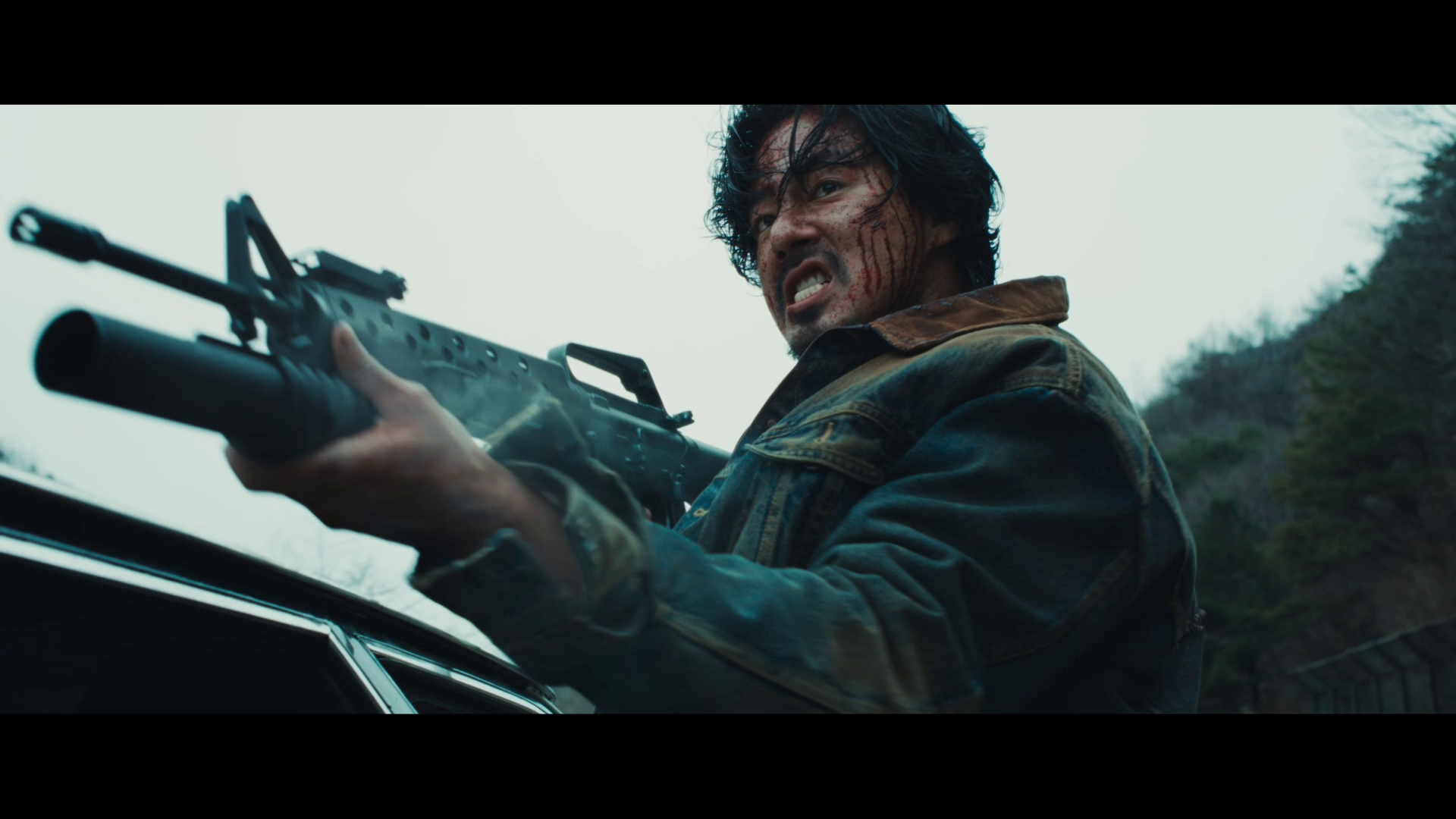
Sung-ki also rides a horse matching Maveyo's speed, creating record-breaking action. Na Hong-jin admitted, "There was literally no reference for how to shoot while chasing a fast-running horse in the forest."
He continued, "The sense of speed is only possible if it's actually fast, and it couldn't be done without taking risks," explaining, "We cleared all the stones in the forest and prepared an environment where we could run fast. We did the most riding on a bike and following."
"We had no choice but to chase the horse desperately. We put the camera in front, in back, and had the actor hold and shoot the camera with one arm. We tried everything we could do."
◆ "Mastery is still a distant goal"
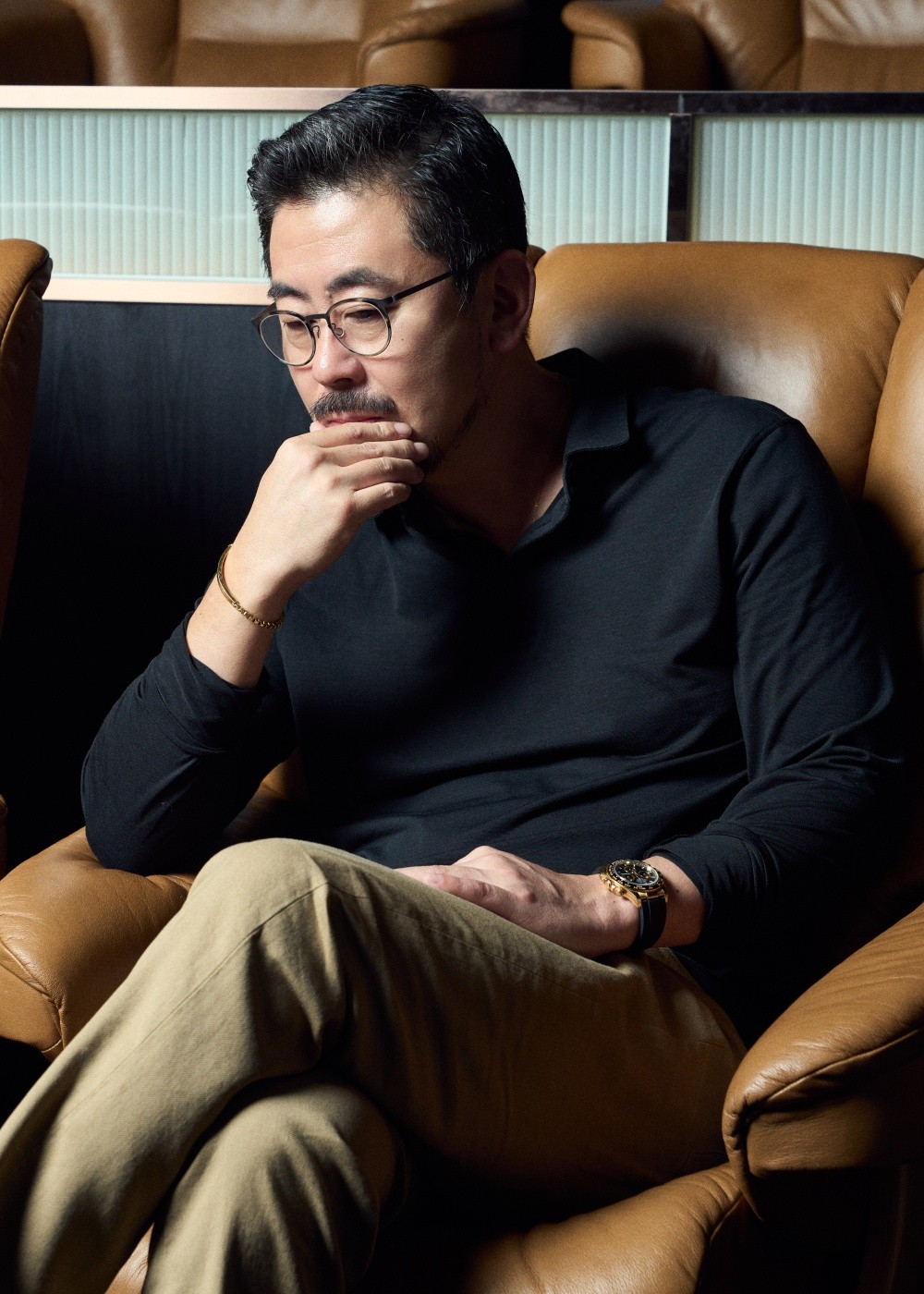
Behind his boldness lay a clear directorial aim. He said, "When asked what kind of film to make, within a structure where typical Korean film genres are mixed, I wanted to challenge the genre."
"I wanted to heighten the density in action or thriller, not what I've done before. It seems I was greedy in that direction. I wanted to prepare better, make it better, and execute it so that the pleasure the audience feels in the theater is maximized."
He completed "Hope" over eight years with the goal of the theatrical film experience. He said, "For this one film, we did long preproduction and shooting. Everyone was truly dedicated and passionate."
Na Hong-jin revealed, "Making theatrical films is such a difficult thing. Doing that truly freely seems like something from a distant future, to the point where there's still so much to experience and it's difficult. I'm still incorporating what I've learned so far to the best of my ability, but there will still be many shortcomings. My goal is to do it freely, but I don't know when that will be. But I feel it's gradually improving. I don't know when that will happen, but I have to stay alive until then. (laughs)"
Meanwhile, "Hope" opens on the 15th.
<Photos courtesy of Plus M>