

[Dispatch=Lee Ajin, Yuha Neul] Director Na Hong-jin said:
"You really have to see Dolby Cinema."
It is rare for a director to participate in mastering. But Na, the director of 'Obsessed,' leaves no stone unturned when it comes to sound. Even footsteps (sound) fell under his calculation.
Director Na Hong-jin captured every movement individually. With just the soundtracks built up this way, there are 1,700 tracks. That's why Dolby is a space where you can experience the 1:1 relationship between image and sound most vividly.
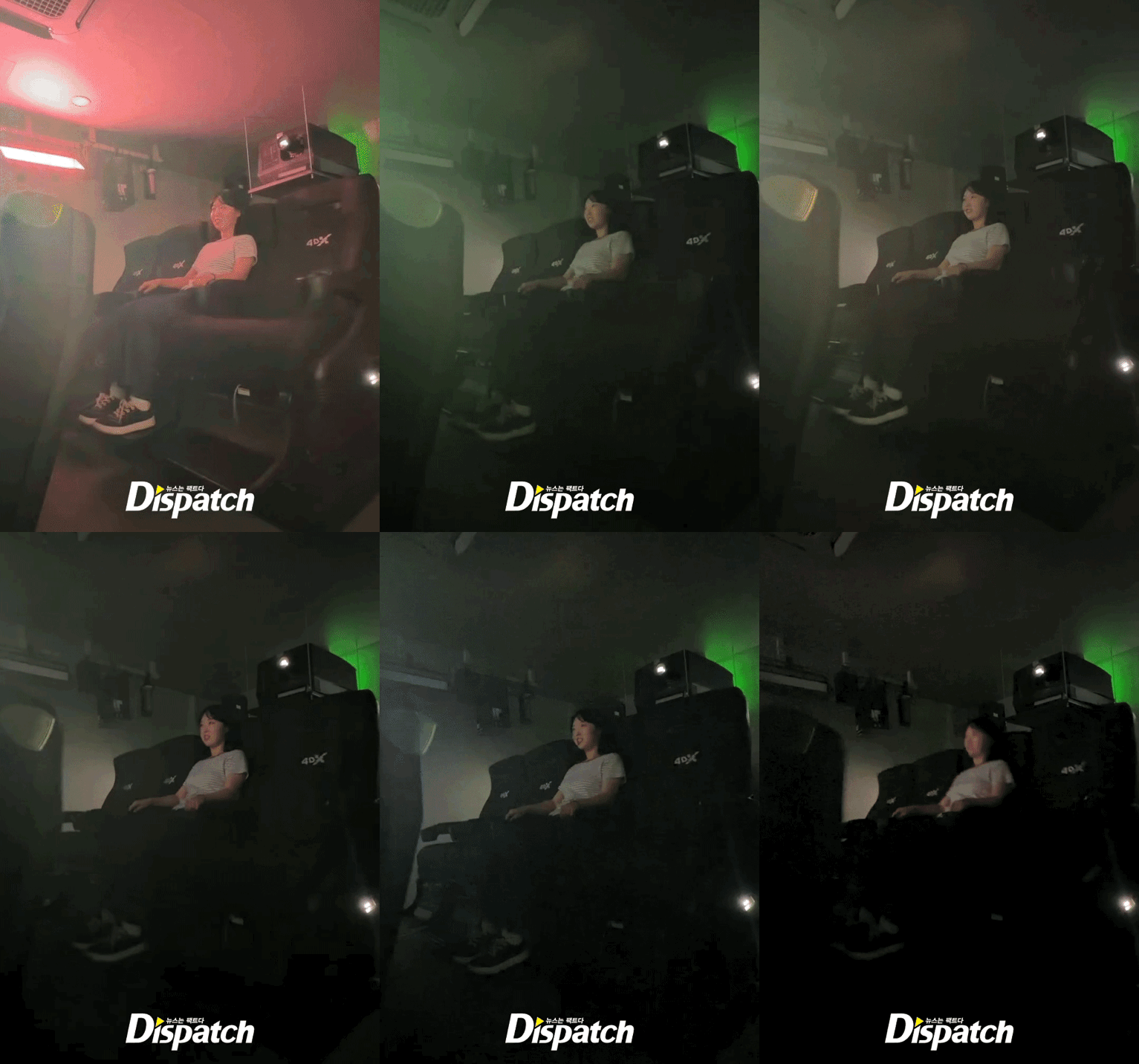
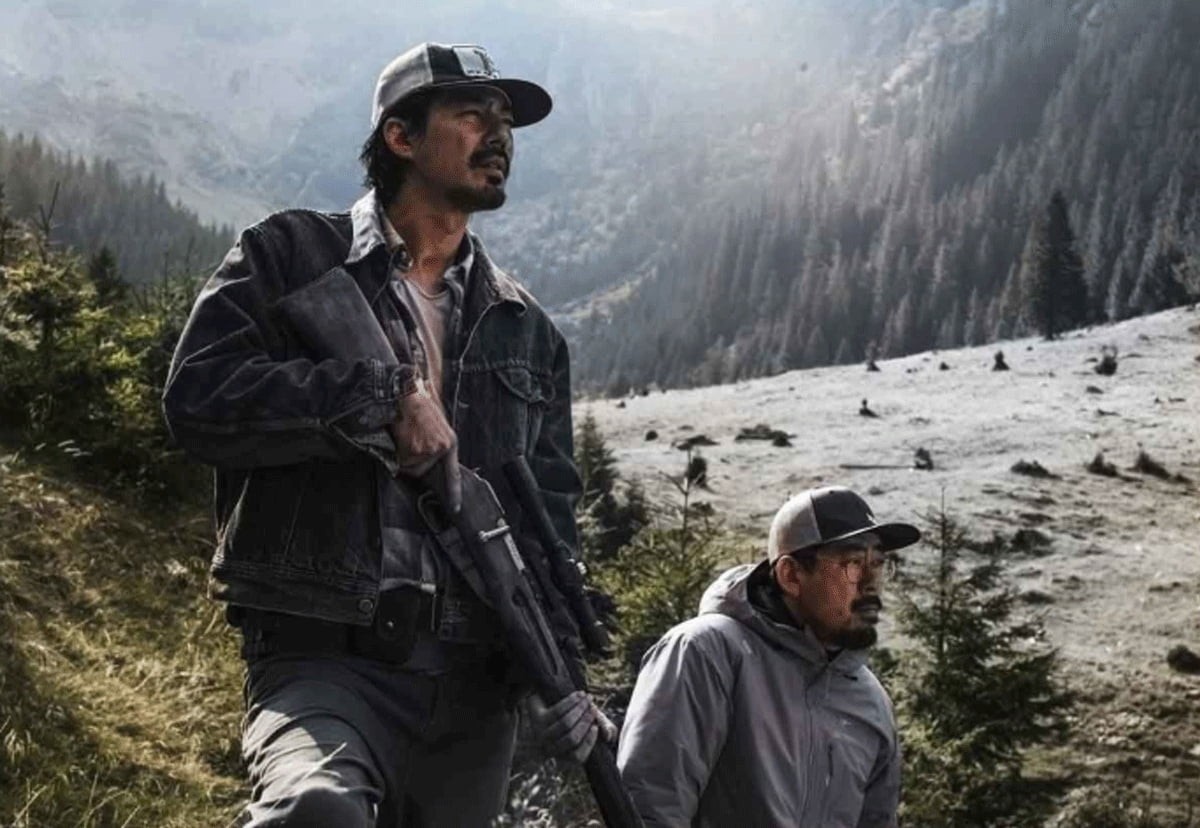
If you want to enjoy 'Hope' with all five senses, you can go to 4DX. The seat you're sitting in becomes the saddle of Seong-gi's horse, and the scent you smell is the Retezat National Park forest in Romania.
Want more of a good thing? There's ScreenX. You can enjoy what happens in Hoppo Port at 300%. If you say a general theater screen is 1, ScreenX has an additional 1.5 on each side.
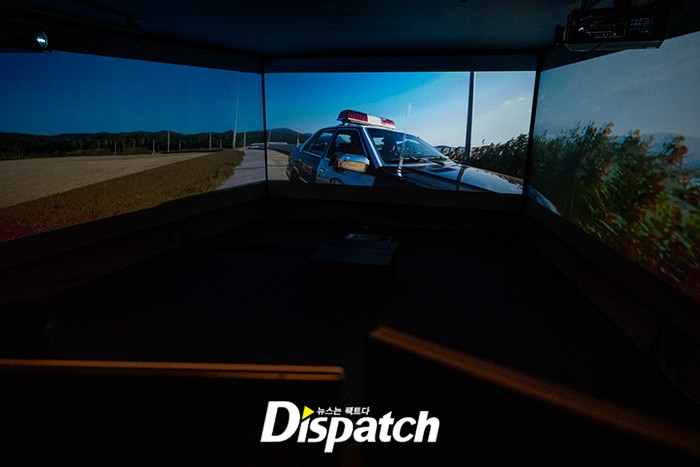
Dispatch visited 'Hope' special screenings. If you want to feel Director Na Hong-jin's intentions fully, 'Dolby' is ideal. If you want to experience the action with your whole body, '4DX' is the way. If you crave the speed of a chase, 'ScreenX' is perfect.
Shall we visit 'Hope' special screenings, by 'Hope,' for 'Hope'? First, the Dolby screen. (Note: This article contains minor spoilers.)
Dolby satisfies you through sound? Half right, half not quite. Dolby is a theater that indulges both ears and eyes. The sound is refined, the texture is sharp, and the colors are rich. The same film feels like a completely different work.
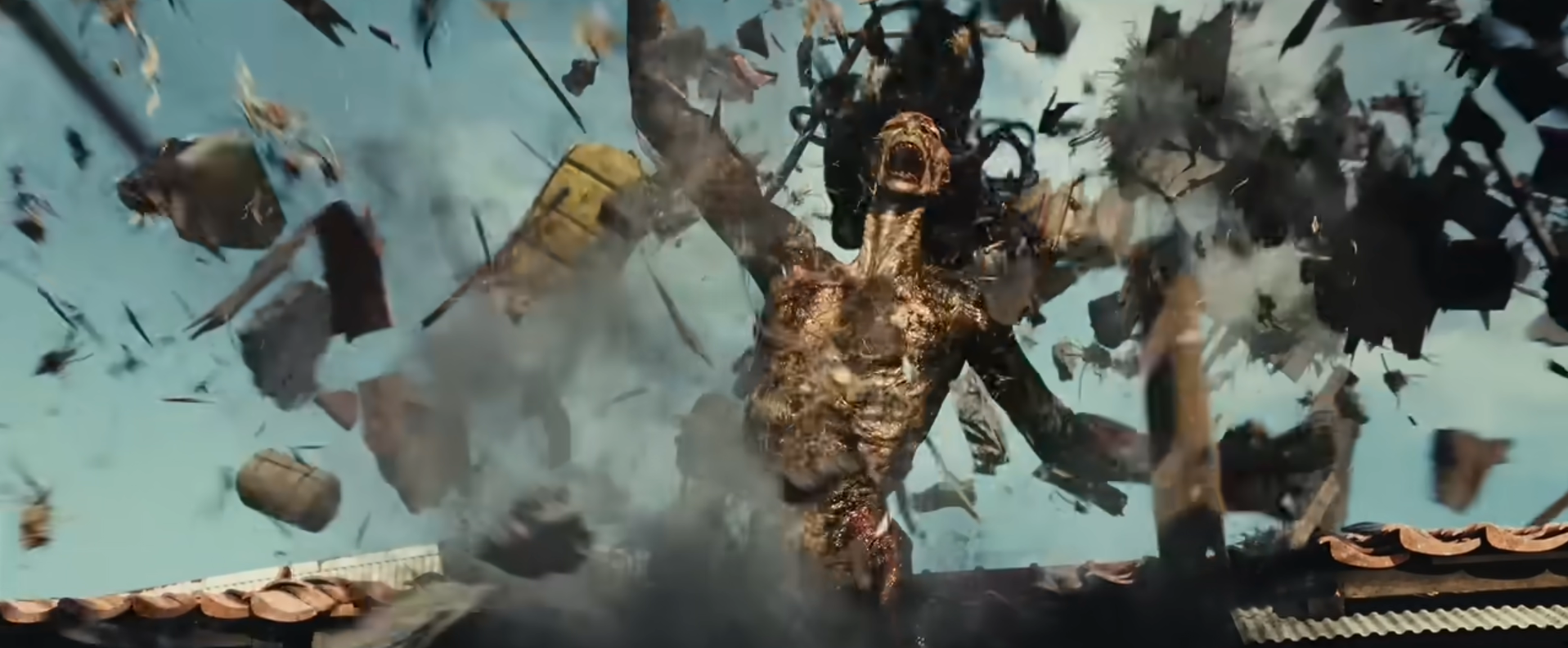
A monster's roar
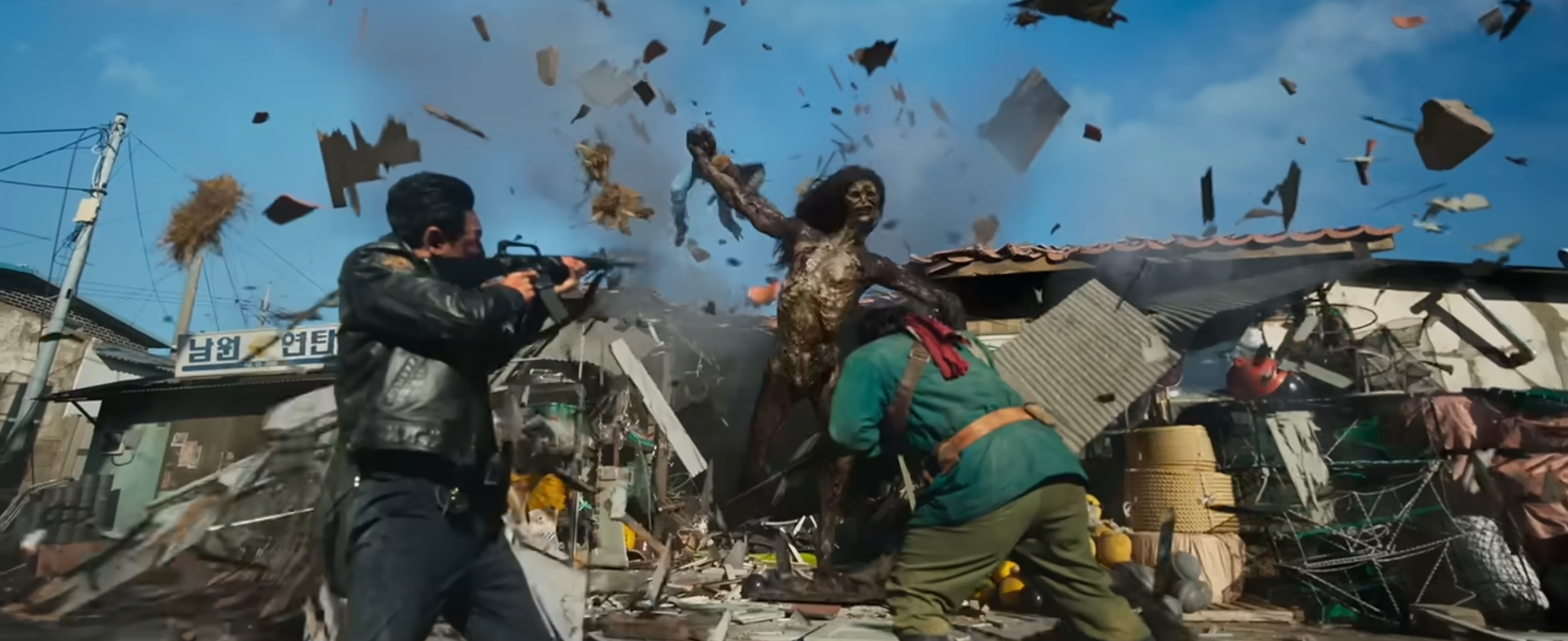
reaching your whole body is the default.
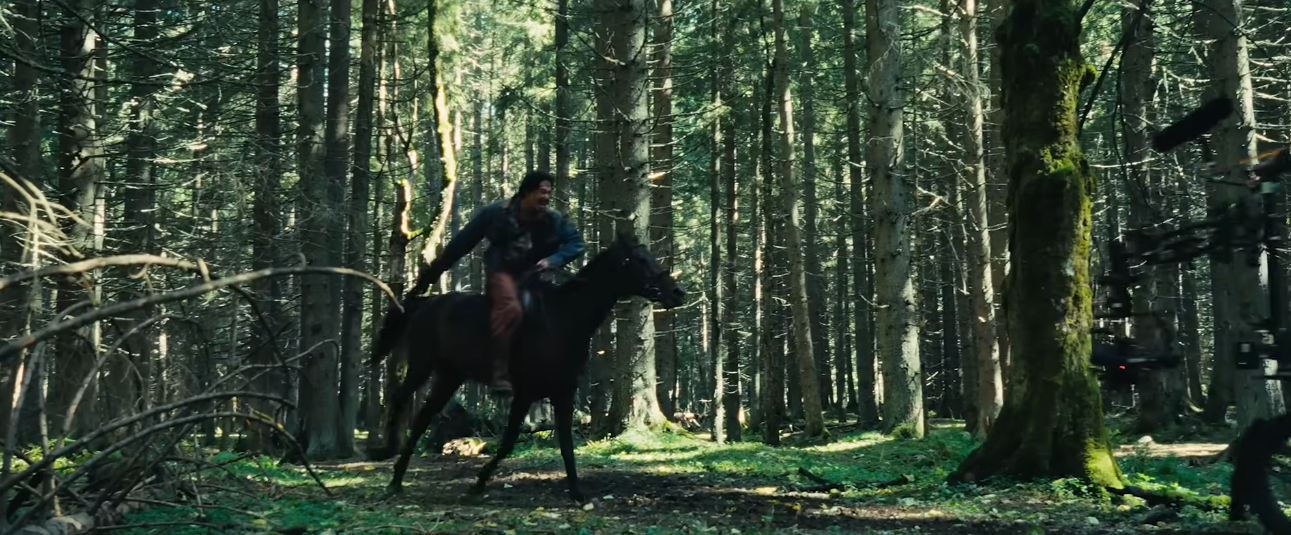
When Jo In-sung rides the horse,
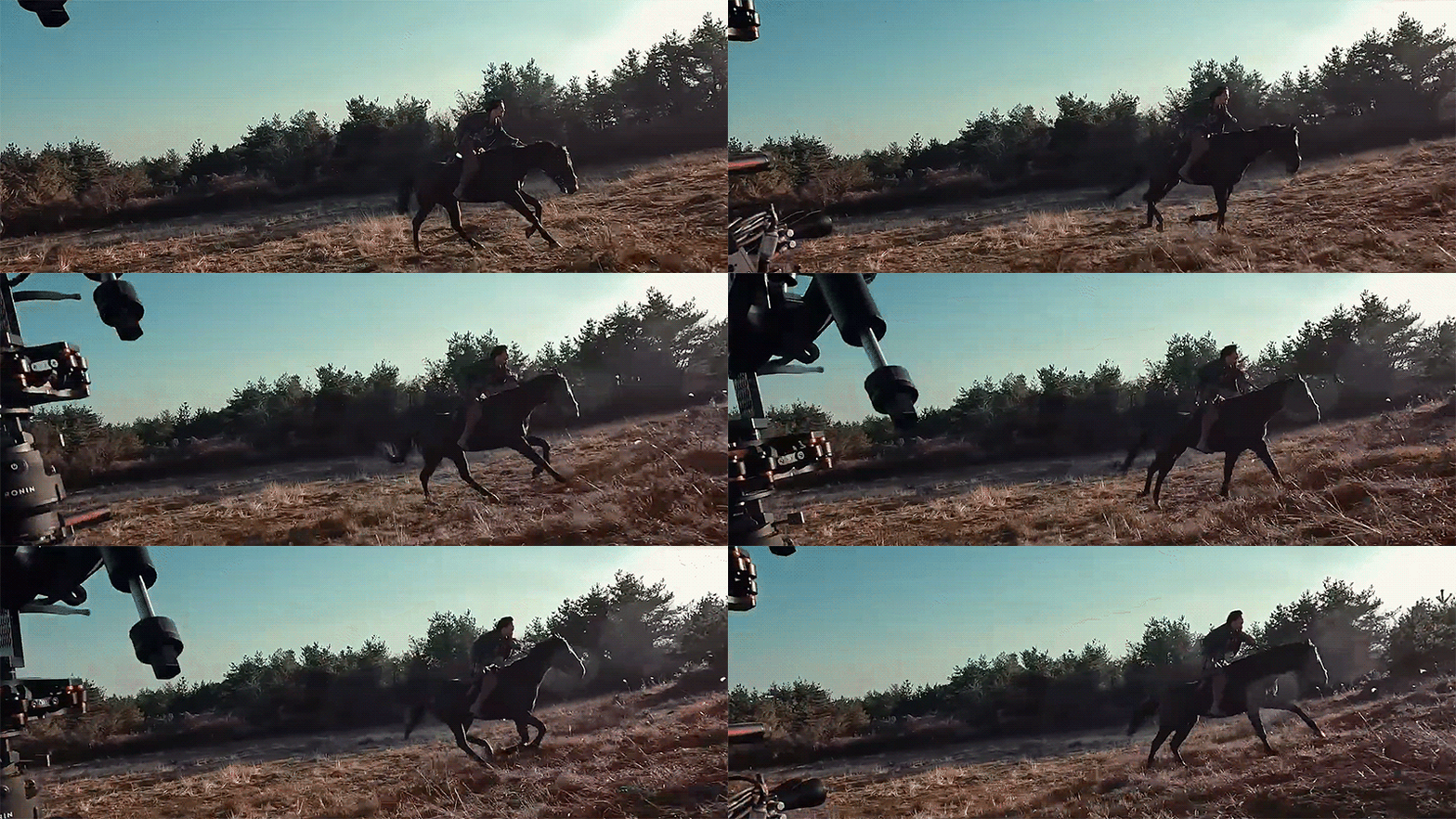
your heartbeat pounds along.
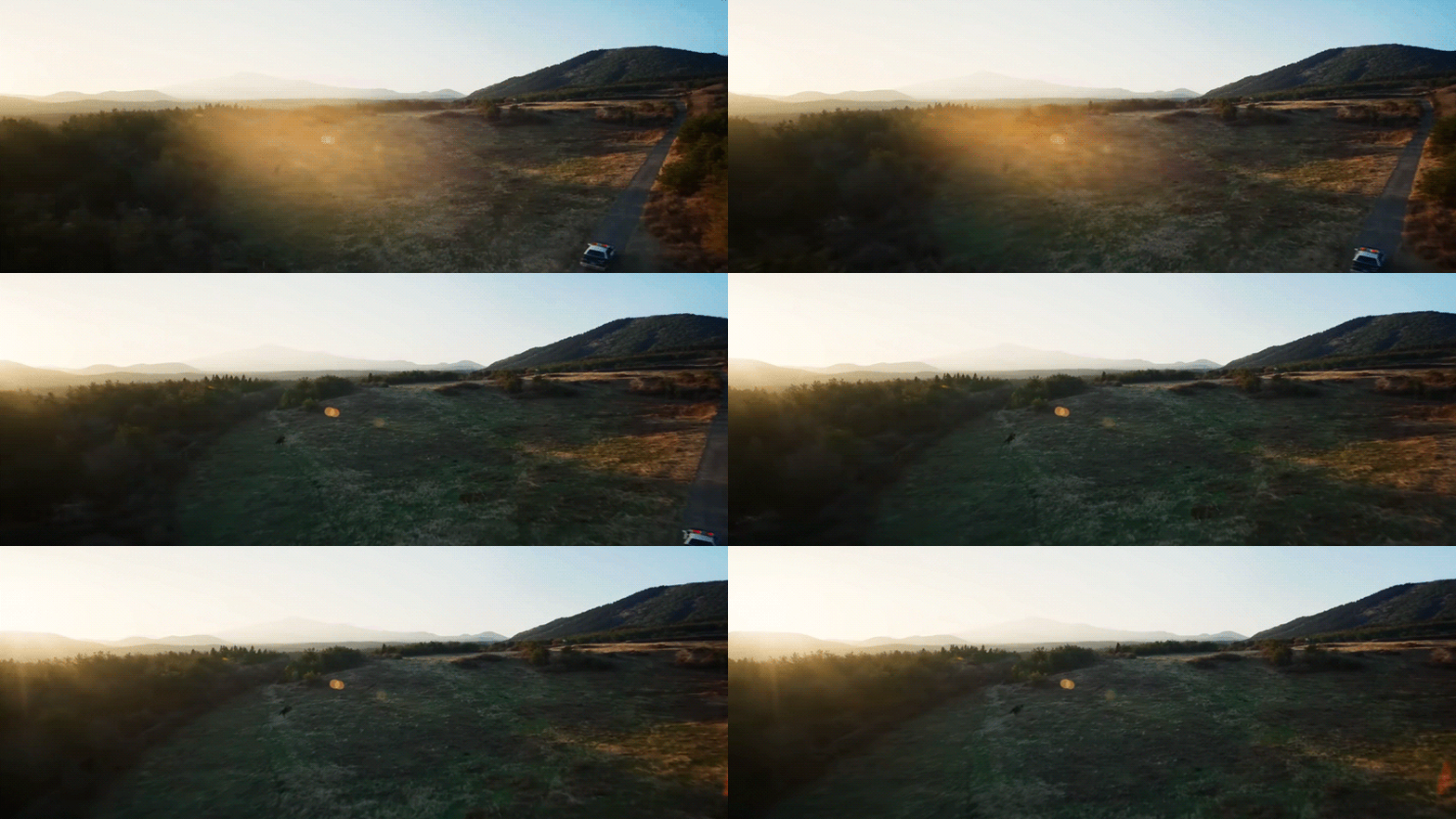
Even natural light becomes mise-en-scène.
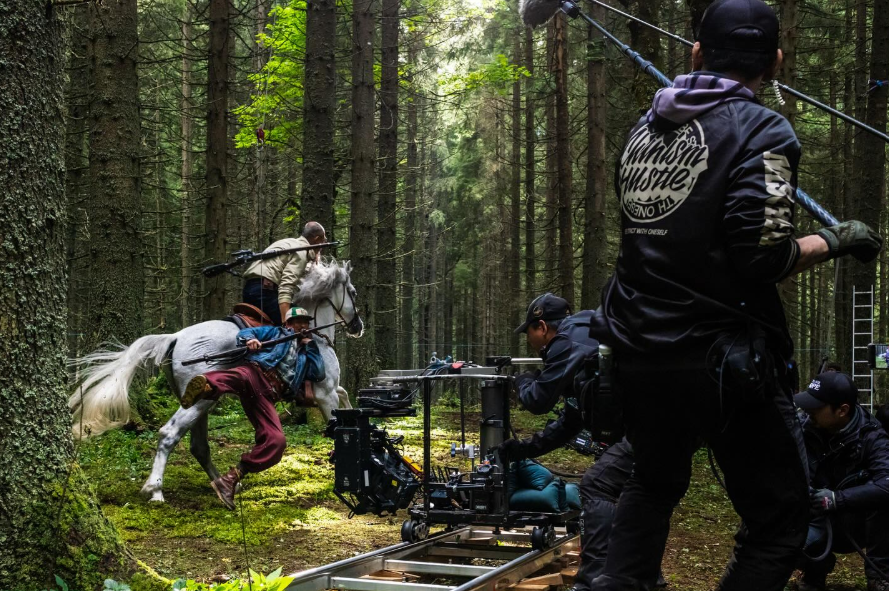
Dispatch met with Dolby Korea's Image Executive and Jang Dong-eun, Assistant Manager, to find out the secret.
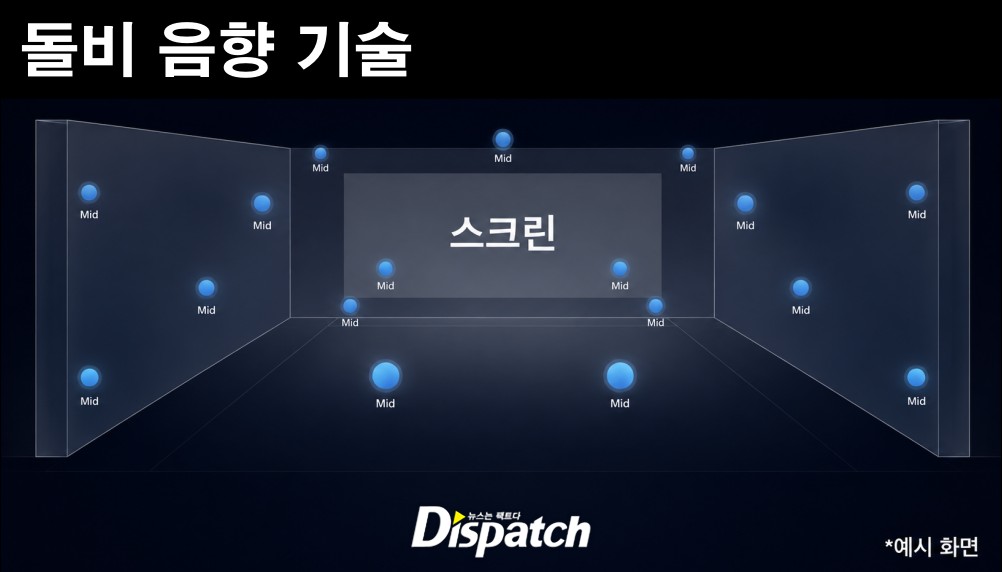
Regular theaters play sound on a channel basis. But Dolby separates sound into individual 'objects.' Then it calculates the distance, direction, and movement path of each sound (object). Footsteps are heard from below, gunshots from above.
The range of 'mixing position' that can express sound magnitude is also wide. When very loud bass resonates, a vibration similar to 4DX is transmitted. Since sound reaches each seat at different times, you feel similar immersion regardless of which row you sit in.
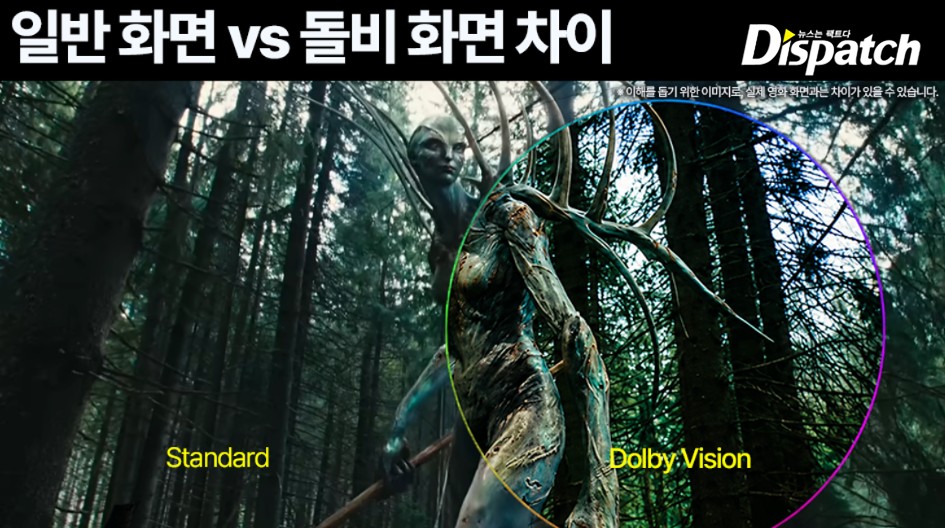
The differences in contrast, brightness, and color are also striking. If a regular laser theater is about 6,000:1, Dolby achieves a maximum contrast ratio of 1,000,000:1. The brightness is twice as high, and the range of colors you can display is also much wider.
"Director Na Hong-jin meticulously adjusted everything—the texture of the forest, trees, the alien, even the light reflected on a face. He'd say 'You can see this much on a Dolby screen?' and be amazed. Then he'd dive into even more detailed work." (Image Executive)
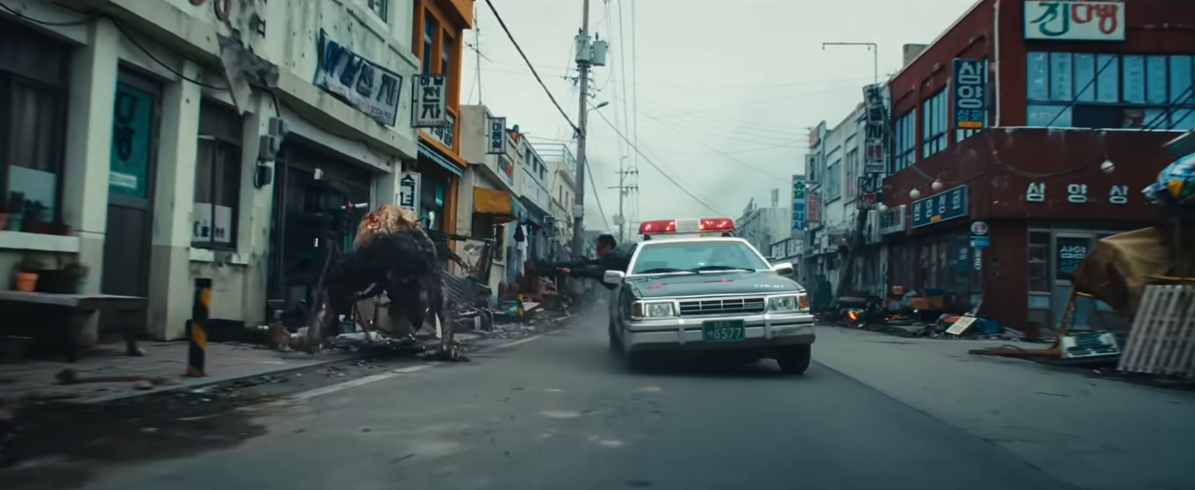
Here are the key points to watch in a Dolby theater.
① The scene where Hwang Jung-min drinks water after hearing about the monster. Focus on the background sound rather than Hwang Jung-min's expression. Vehicle alarms and mysterious sounds come rushing from all directions. By amplifying the ambient sound over the sound of swallowing, the tension builds.
② Bamigir's first appearance also received meticulous attention. You can clearly see props inside the (dark) house that you would easily miss in a regular theater. Director Na was satisfied that the intent behind the props came through well. Shall we find them together?
③ The scene where Bamigir sheds tears —focus on the eye color. Director Na used various colors to express complex emotions. In a Dolby theater, that rich color palette stands out distinctly.
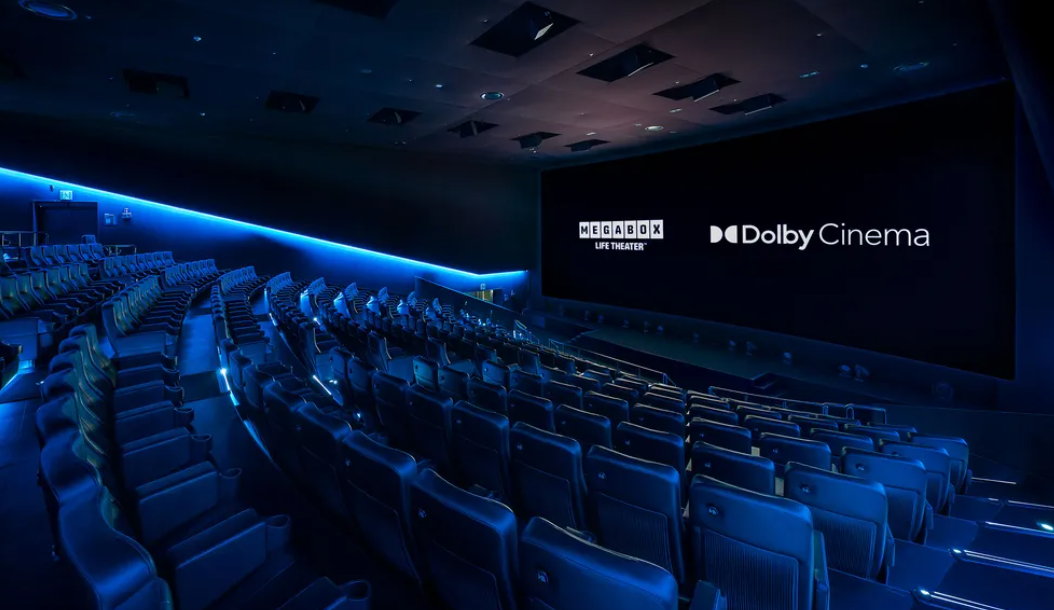
There are three types of Dolby theaters in Korea. 'Dolby Vision,' which focuses on image quality; 'Dolby Atmos,' which implements immersive sound; and 'Dolby Cinema,' which combines both technologies. Are they similar everywhere you go?
Differences between locations are minimal for the same format. All facilities in the theater—carpet, chairs, curtains, their colors and materials, acoustic panel thickness, speaker placement—are made according to Dolby standards.
"Dolby's philosophy is that the OTT viewing experience and the theater experience must be distinctly different. We conduct audio tuning daily to provide audiences with a better theater experience." (Image Executive)
Now, want to feel the chase with your whole body? Then visit a 4DX theater.
It's the hottest special screening among all openings. It recorded occupancy rates approaching 40% in the first week of release. 4DX is optimized for enjoying vast nature and breathtaking chases.
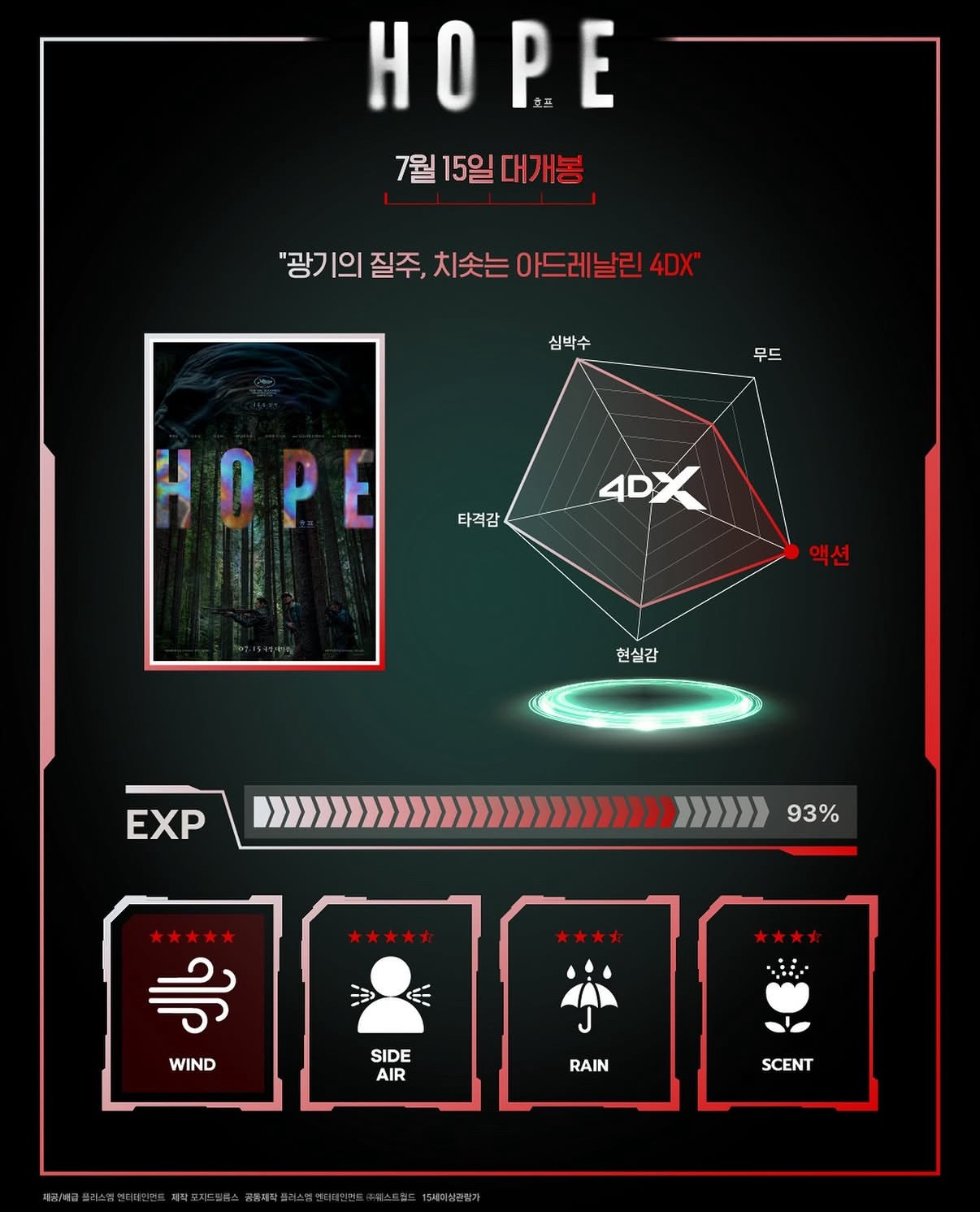
'Hope' 4DX effects rated by score:
① Action ★★★★★
② Heart Rate ★★★★★
③ Impact ★★★★★
④ Realism ★★★★☆
⑤ Mood ★★★☆☆

When an alien falls and blood and dirt splash,
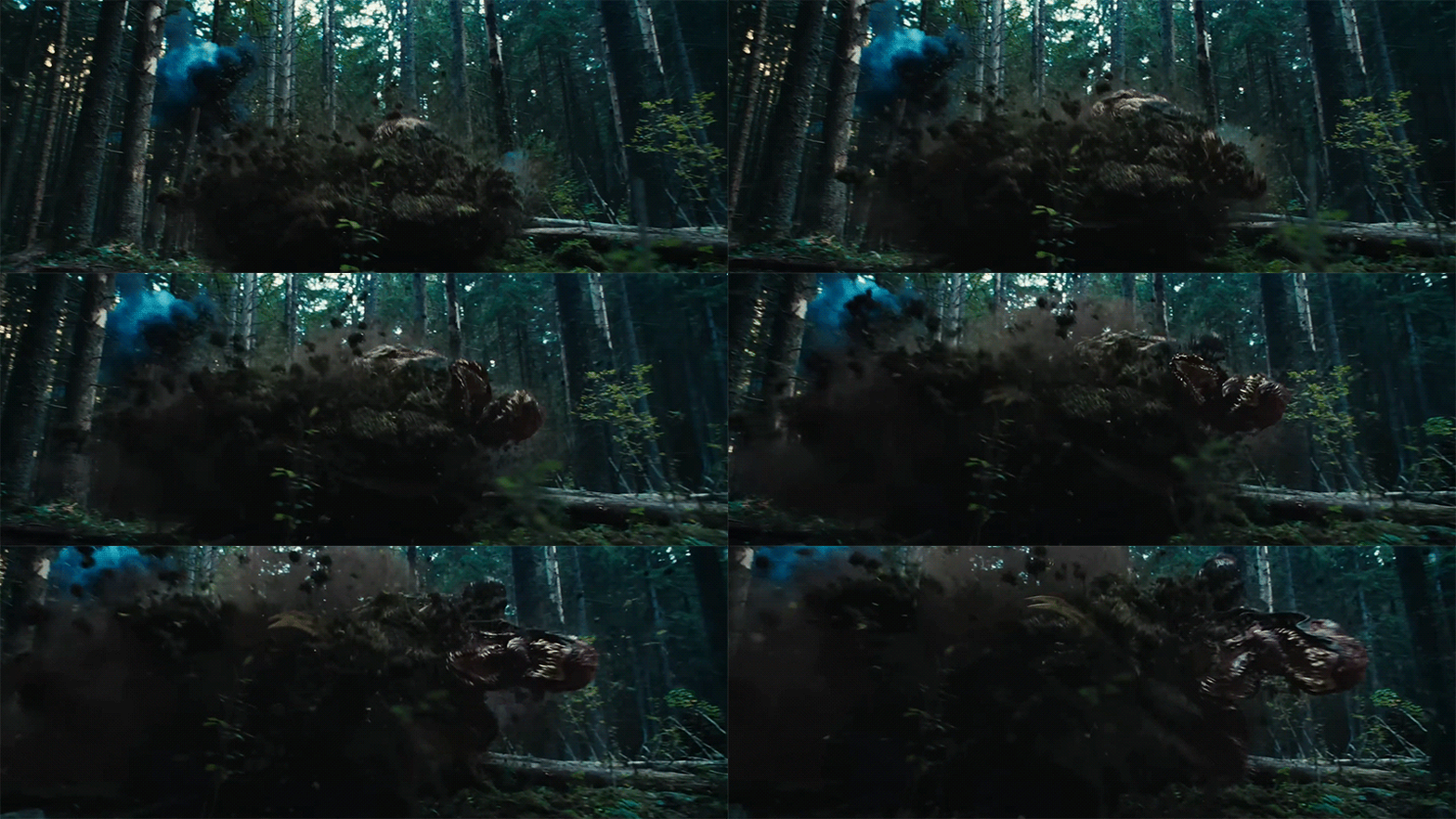
the audience feels that 'spray' too.
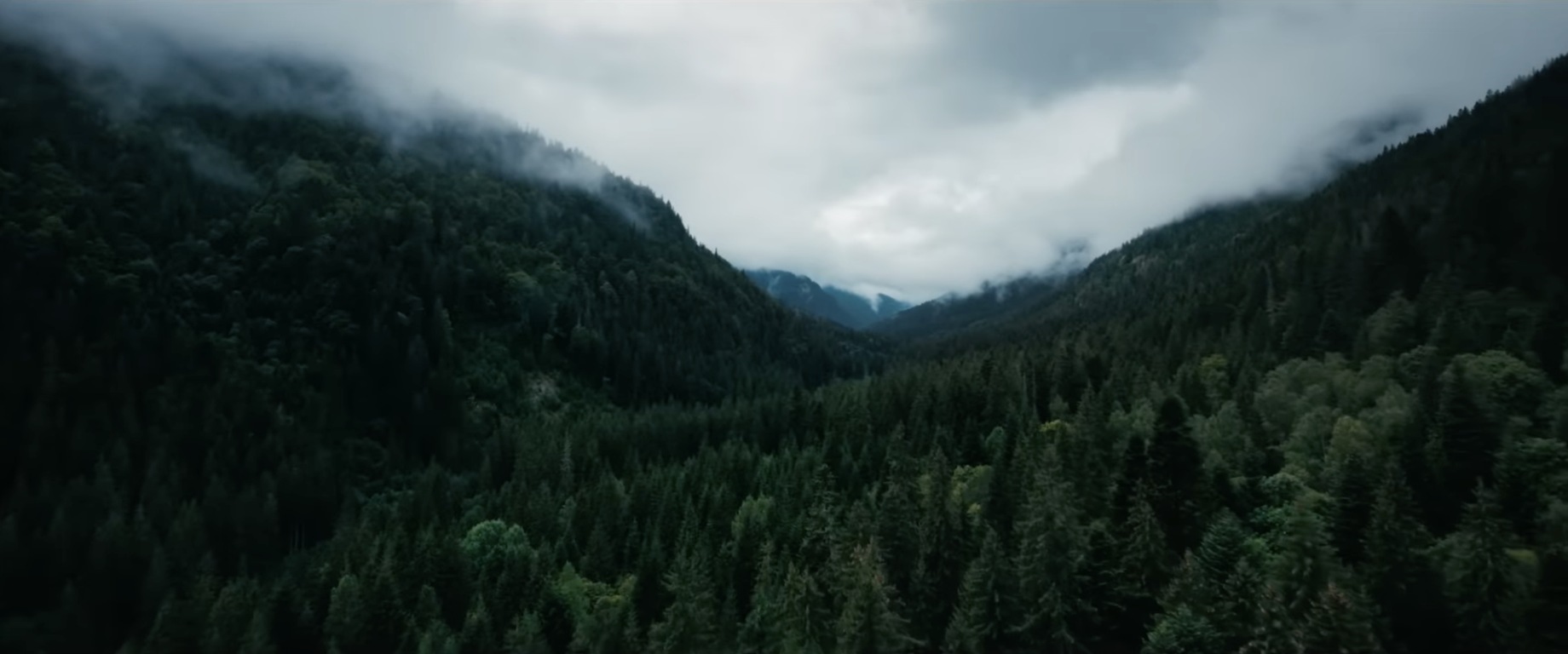
When the forest fills with smoke?
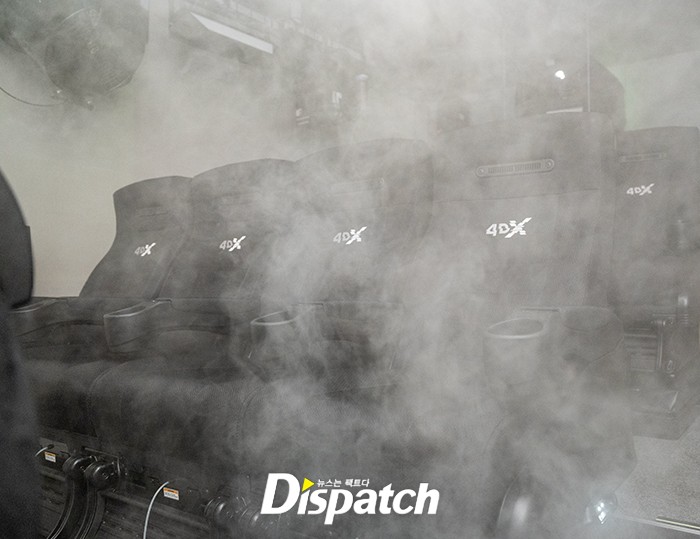
"I'm also in Romania's Retezat National Park."
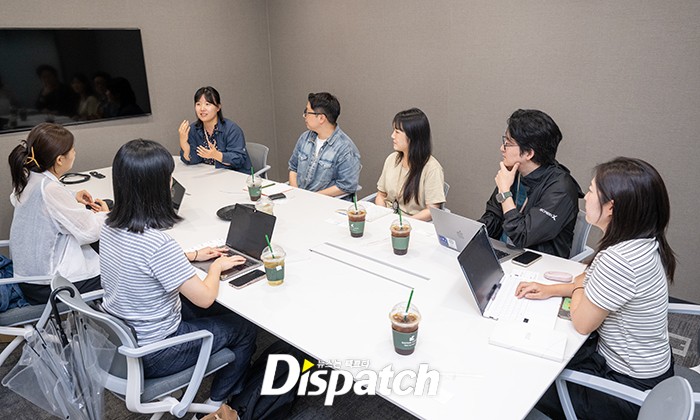
Dispatch met directly with the 4DX team. As the name suggests, 4DX means 4D (four-dimensional) + X (expanded experience). It's an experiential movie-viewing format that adds motion and environmental effects to conventional video (2D/3D).
First, the 4DX team conducts a preview. Afterward, they meticulously divide the entire film by sequence. Team members each take a part to direct, then reconvene to check overall quality.

That's not all. 4DX is technology that stimulates the senses regardless of the audience's will. As such, the process of delicately calibrating motion intensity and balance is most important. The final version is completed after repeated tests and fine adjustments.
"We've made nearly 1,300 films since opening in 2009. We place the most weight on designing what emotions to give audiences. At the same time, we focus on finding the middle ground so as not to undermine what the production team intended." (Yoon Jae-sang, 4DX Producer)

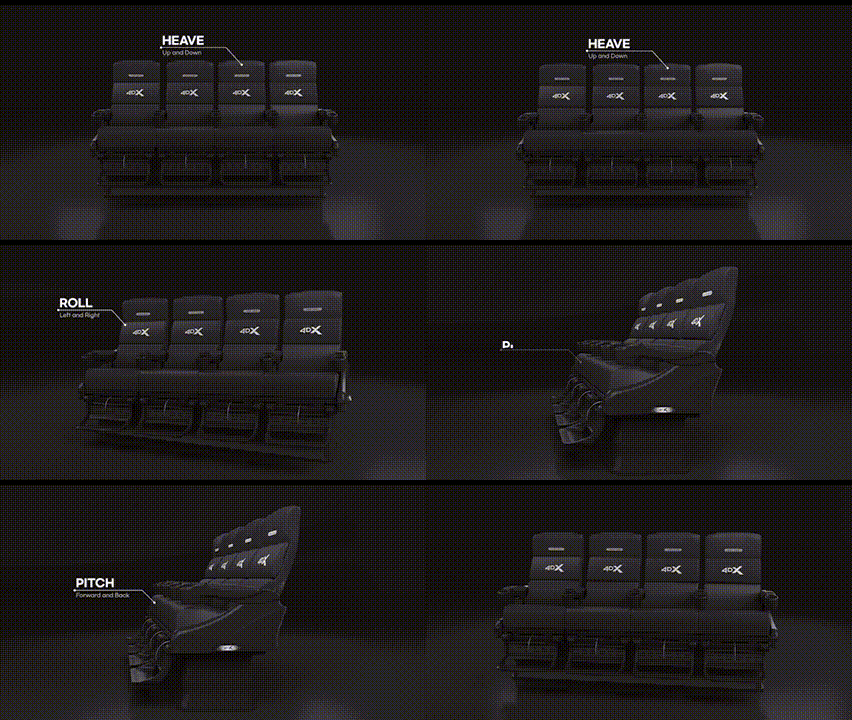
The core technology is the motion chair. It implements motion effects suited to the type of vehicle. In 'Hope' car action scenes, we created subtle vibrations as if driving over a road surface. Weight shifts mainly forward and backward.
With horses, by contrast, we preserved the elasticity of bouncing up and down. Adding the impact of the horse's hooves hitting the ground, we completed movement close to actual horseback riding. (Jo In-sung's C8 makes sense now...)
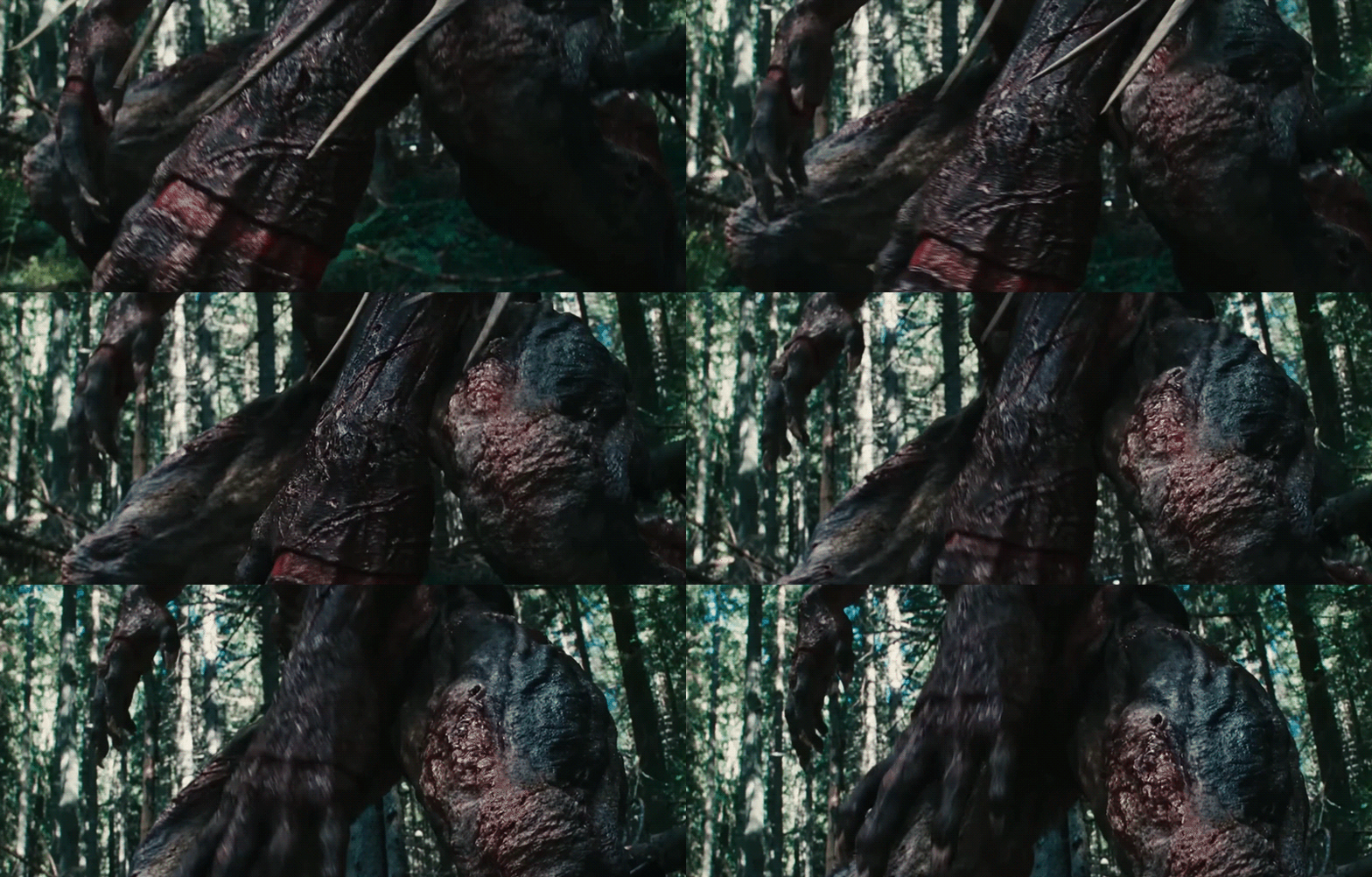
The motion chair even follows a character's emotional arc. For example, when the giant alien appears, the chair tilts back to create a sense of dread. That's why your jaw drops when Maveyo appears, standing about 3 meters tall.
This is thanks to 4DX's 6DOF (six degrees of freedom). By combining three movement axes (X, Y, Z) and three rotation axes (Roll, Pitch, Yaw), we implement diverse movements. The formula '4DX = vehicles' was born this way.
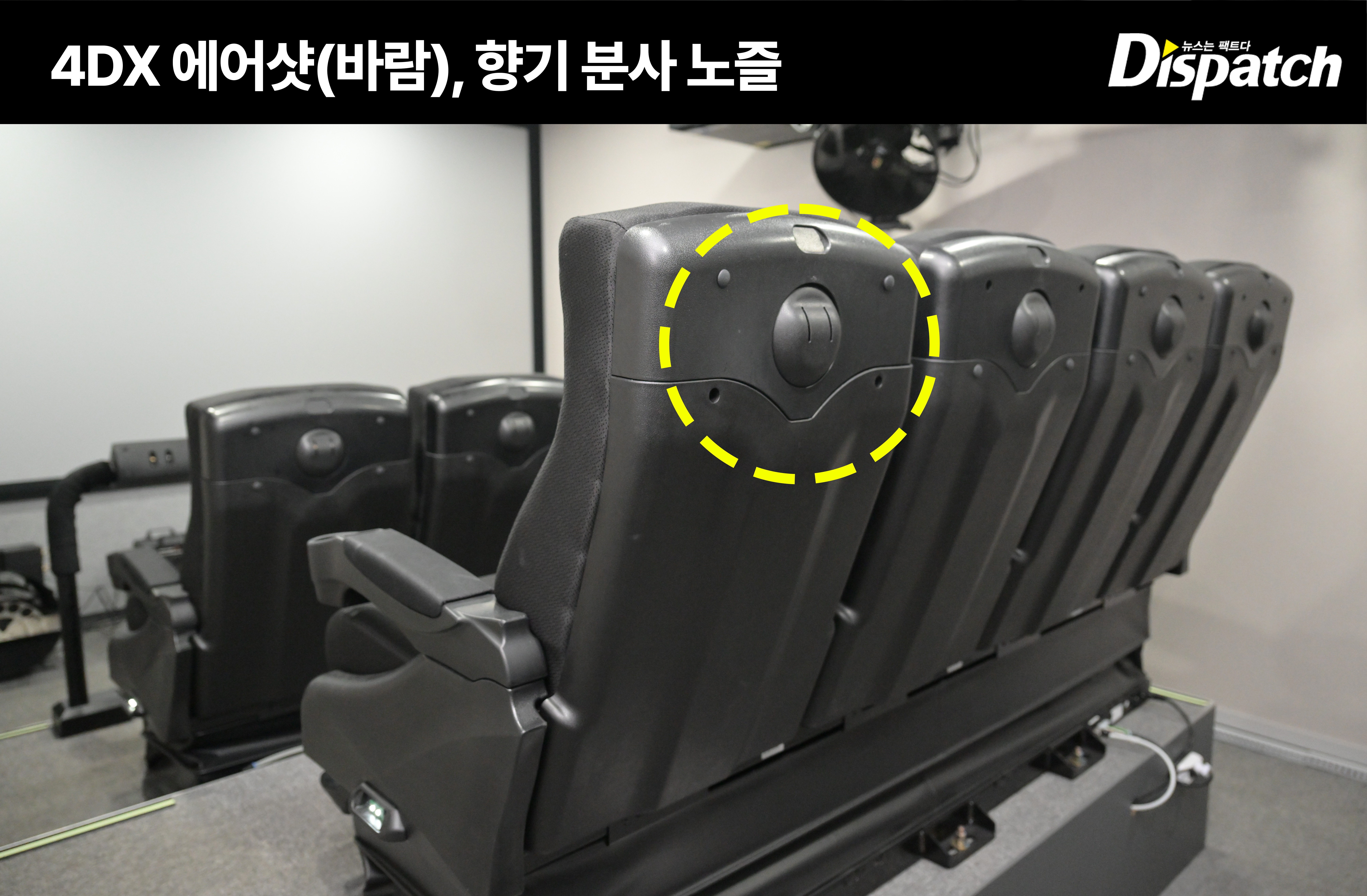
Air shots and scent effects also maximize immersion. Wind rushes past as if a bullet grazed your face, and when the alien destroys a house or hurls debris, strong air rushes around your legs.
Subtle scents also draw audiences in. Forest scent and burnt smell mainly appear, but if used too often, immersion breaks. They were used characteristically to show meaningful scenes or contrasts between locations.
What most strongly engages the sense of smell is the alien scent. The 4DX team mixed various fragrances to create an alien scent difficult to immediately identify. Hwang Jung-min, Jung Ho-yeon, and 'Hortus' would have all smelled it.
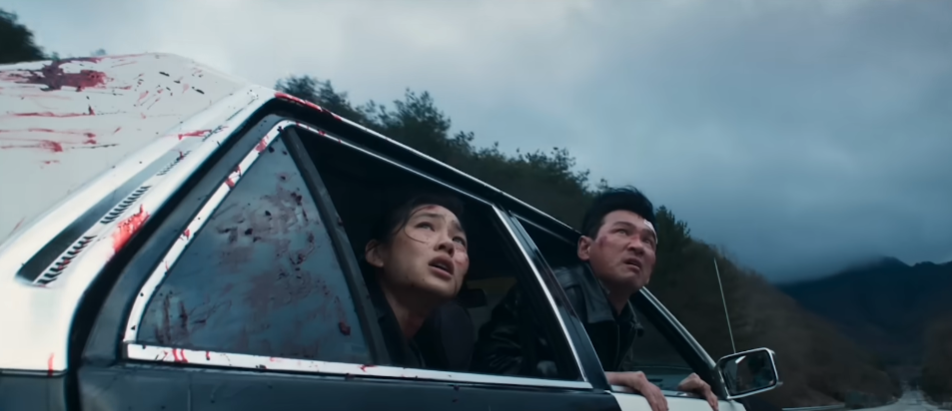
PS. Here's a hidden point the 4DX team shared.
"In the scene where Maveyo pulls out a heart, we used forest scent one more time. We wanted to convey hope through smell. Many people still haven't noticed it, I think. Haha." (Yoon Jae-sang, Producer)
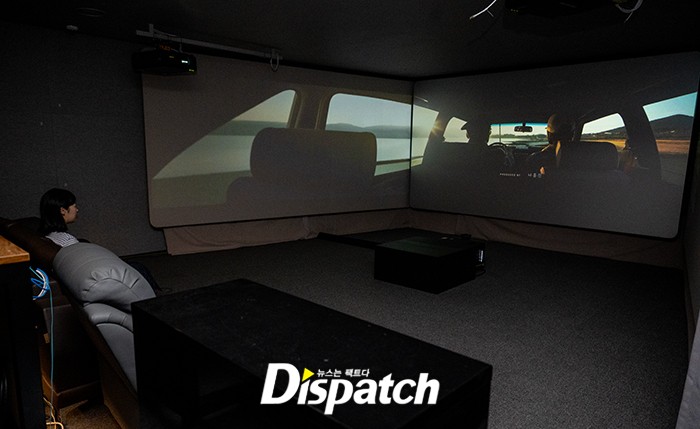
Finally, want to see from the movie's protagonist's viewpoint? Choose ScreenX.
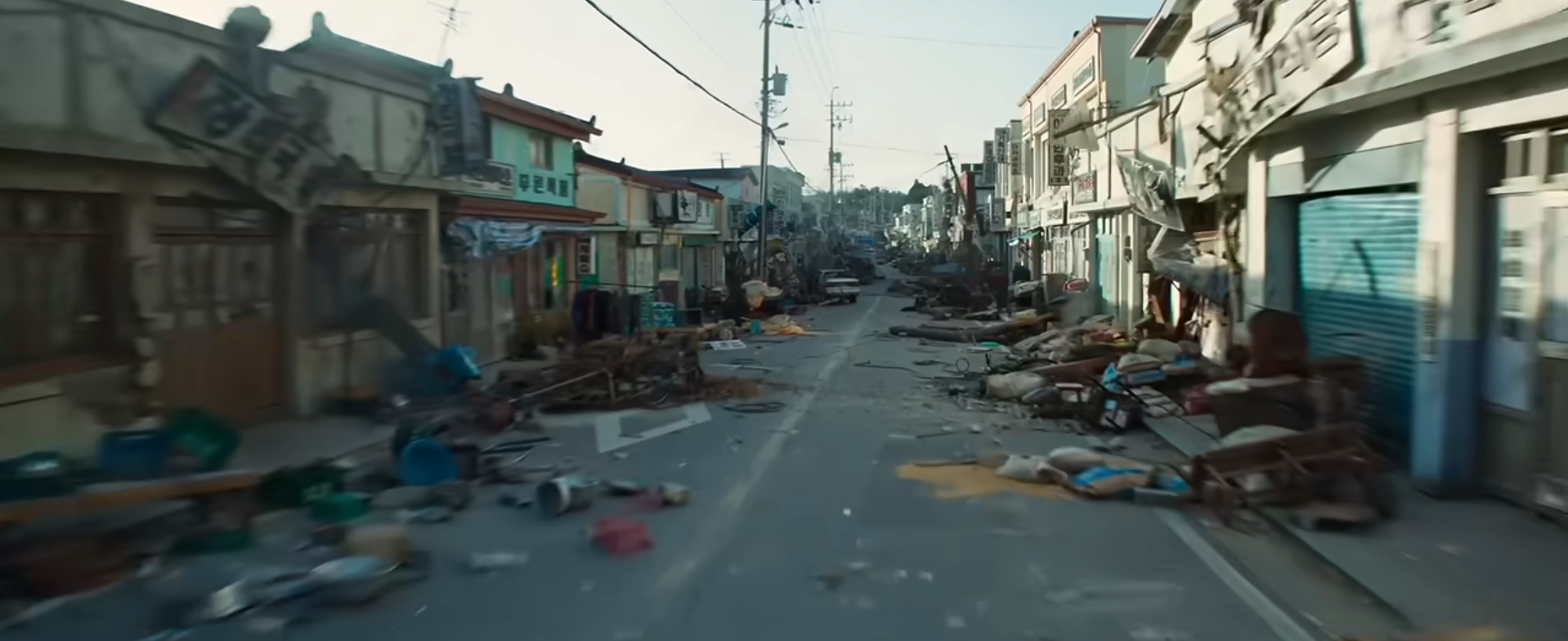
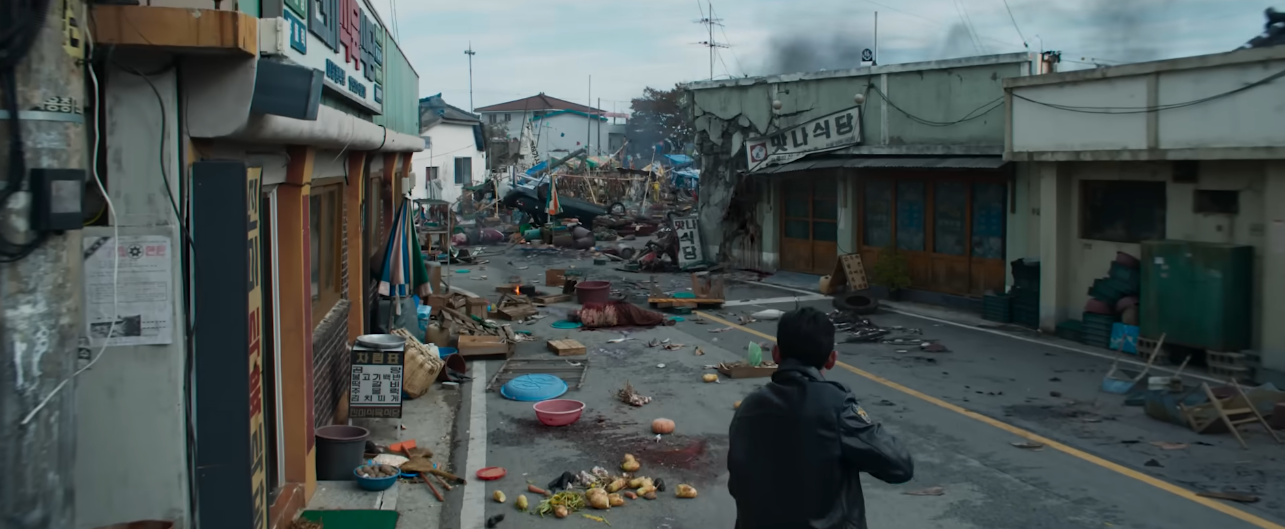
A devastated street
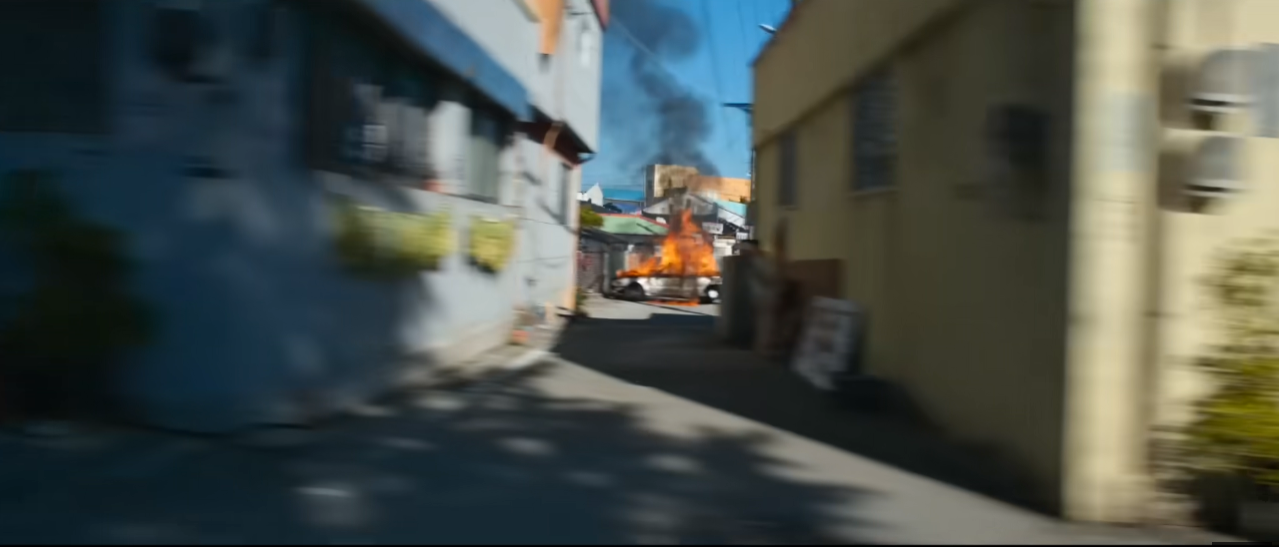
A fire scene passing the car window
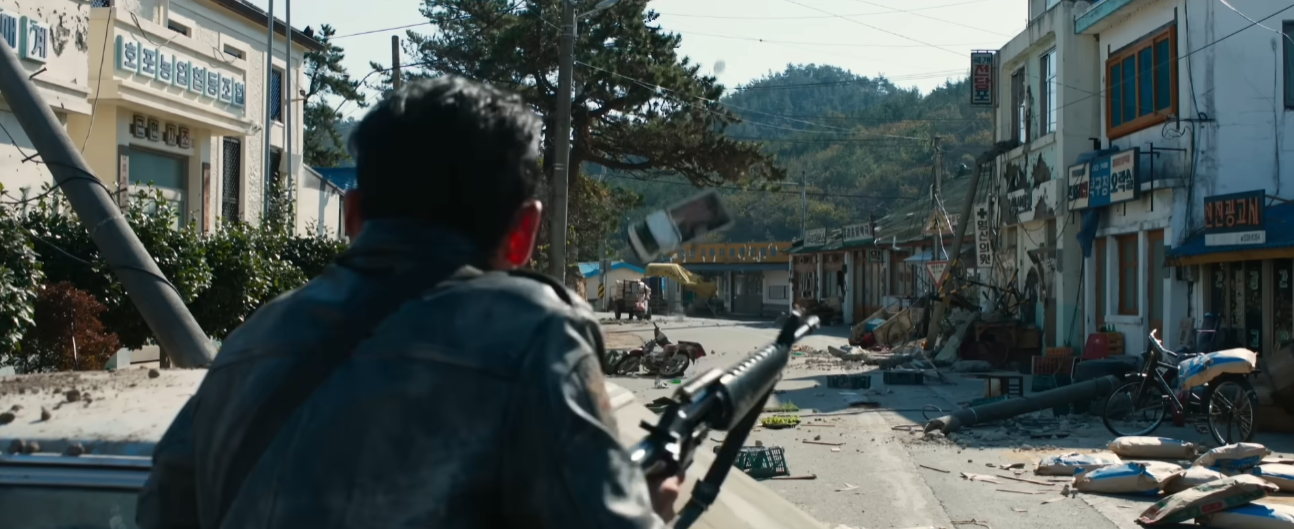
An indiscriminate attack
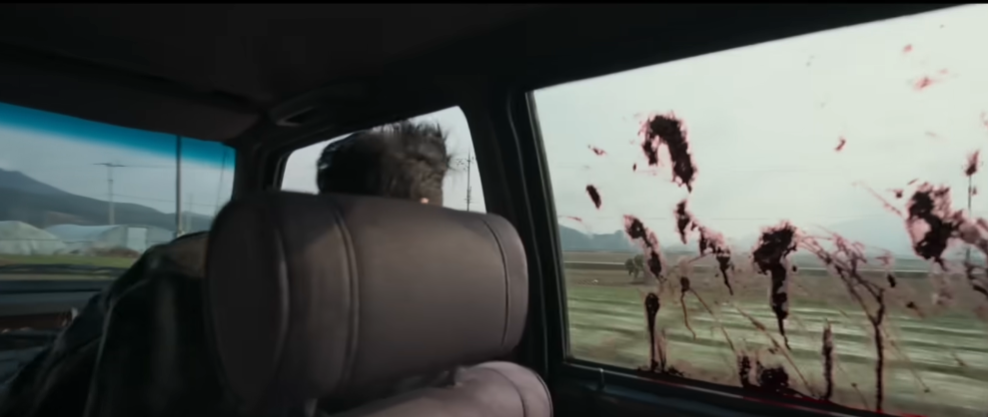
Even the speed of a life-or-death chase.
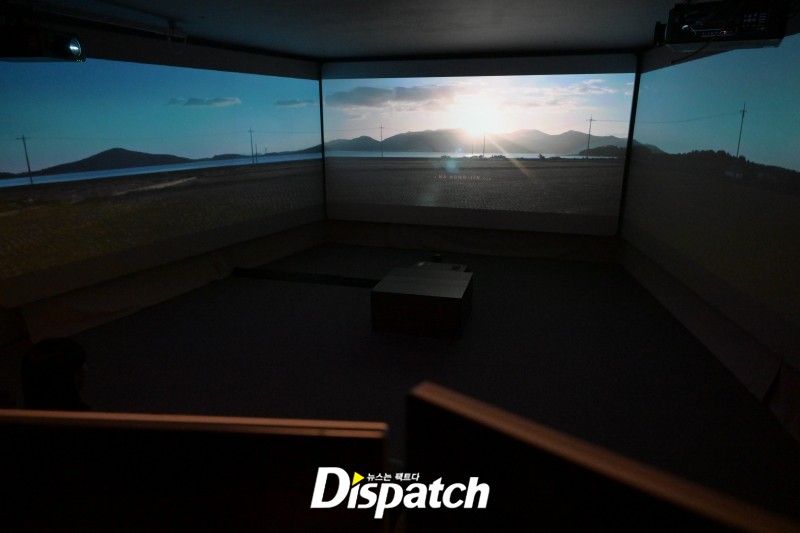
You can vividly experience what unfolds in Hoppo Port through screens surrounding three sides. With the front screen as 1, the side screens reach 1.5 each. As a result, you're essentially creating about 300% more screen than the original film.
But ScreenX isn't simply extending the screen left and right. First, we receive data used during the original film shoot. Then we recombine footage not used in the film or scenes shot with a wider field of view to construct the left and right screens.
Did you know ScreenX is a Korean technology? It's a format that's earned technological recognition worthy of adoption by world's largest theater chains like AMC. Recently, Hollywood has even begun directly shooting dedicated ScreenX sources for collaboration.
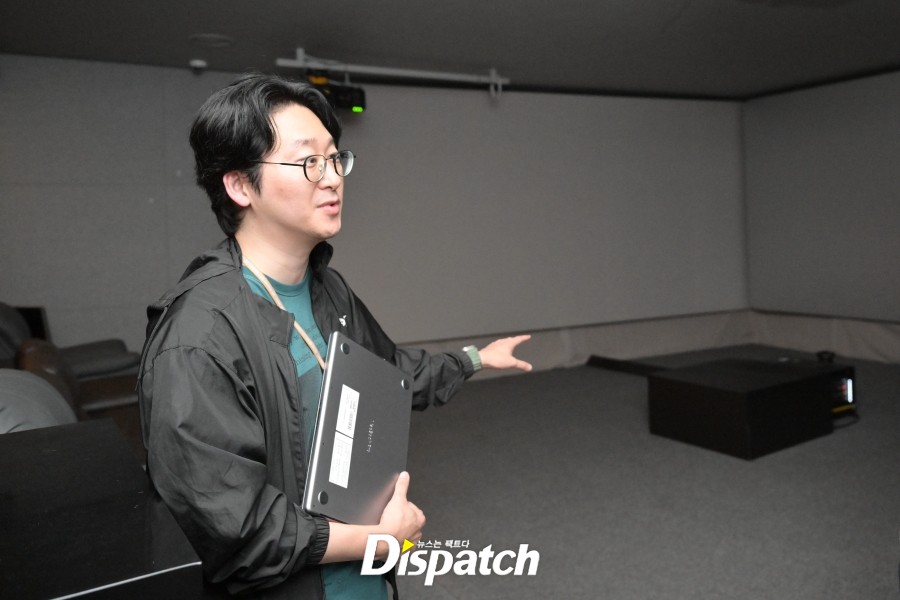
The ScreenX point is not disrupting the original film's continuity. ScreenX Producer Jeon Jiung said, "Forest scenes were relatively smooth. Since tree shapes and species are similar, connecting similar scenery didn't feel awkward."
Hoppo Port, however, was challenging. A space depicting an isolated rural village near the DMZ from the 1970s-80s. Every detail had to match—a fleeting sign, a collapsed building.
"Director Na Hong-jin is so detail-oriented. Following Cinematographer Hong Kyung-pyo's sophisticated techniques in connecting wasn't easy either. We went through a lot to match color and detail." (Jeon Jiung, Producer)
Next are 'Hope' standout scenes the ScreenX team shares.
① Beom-seok boarding a patrol car and entering Hoppo Port. Beom-seok advances with gun drawn, searching the surroundings. In ScreenX, burning vehicles connect at 270 degrees. The damage situation of Hoppo Port is captured on the side screens (bigger, wider).
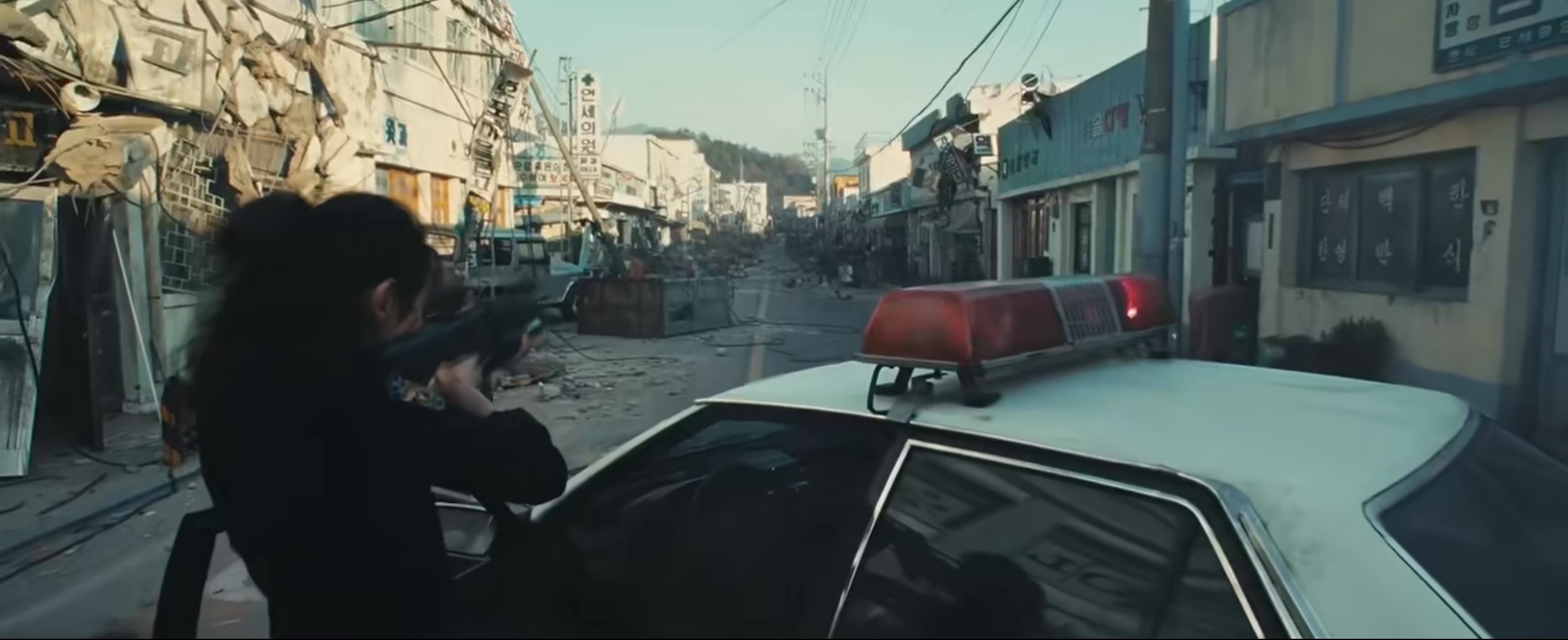
② Sung-ae's (Jung Ho-yeon) first appearance scene is not to be missed. As the camera follows the patrol car with a panning shot, the camera movement and screen expansion flow naturally. It's like witnessing the moment Sung-ae aims her gun from within Hoppo Port.
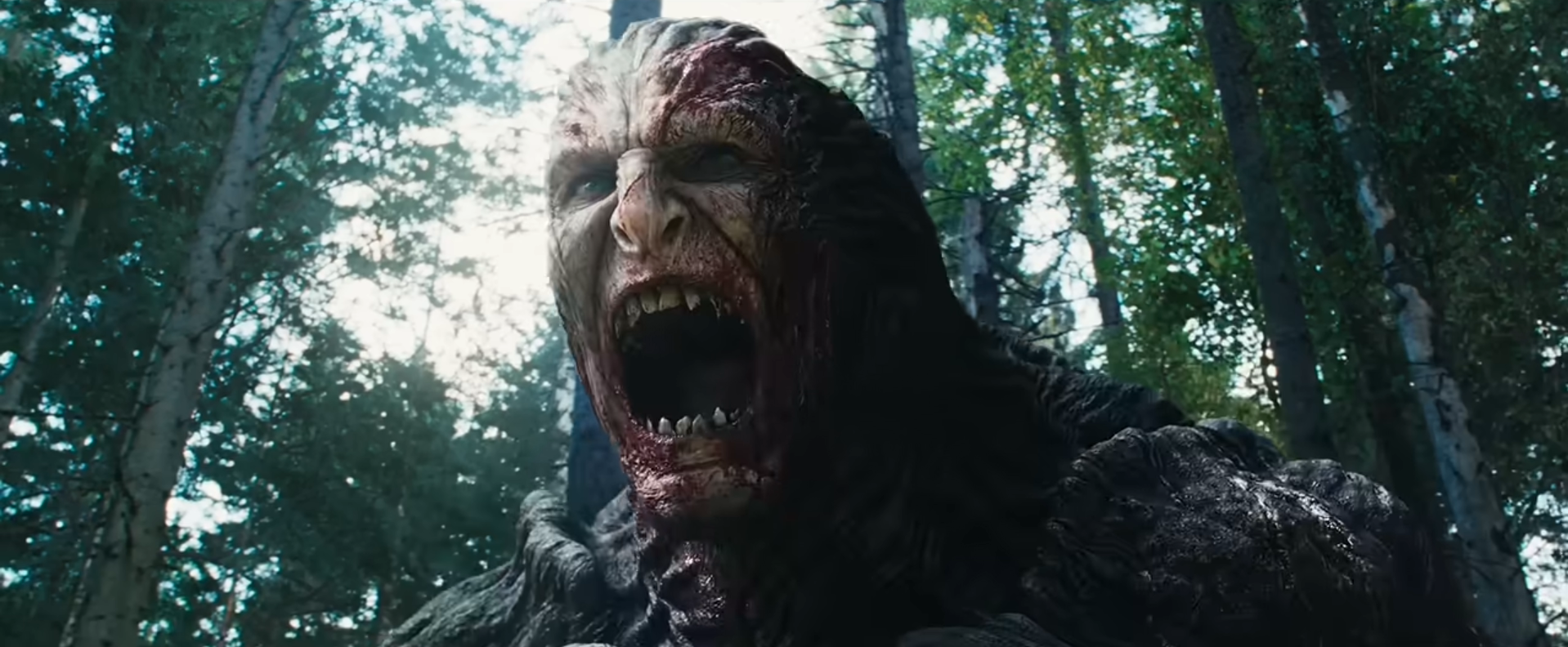
③ Maveyo's footsteps thundering 'boom, boom, boom'—the ScreenX screen opens 'boom, boom, boom.' Usually, the left and right screens unfold at once. But we matched the screen to Maveyo's roar and footsteps. The screen expands gradually in a circular shape.
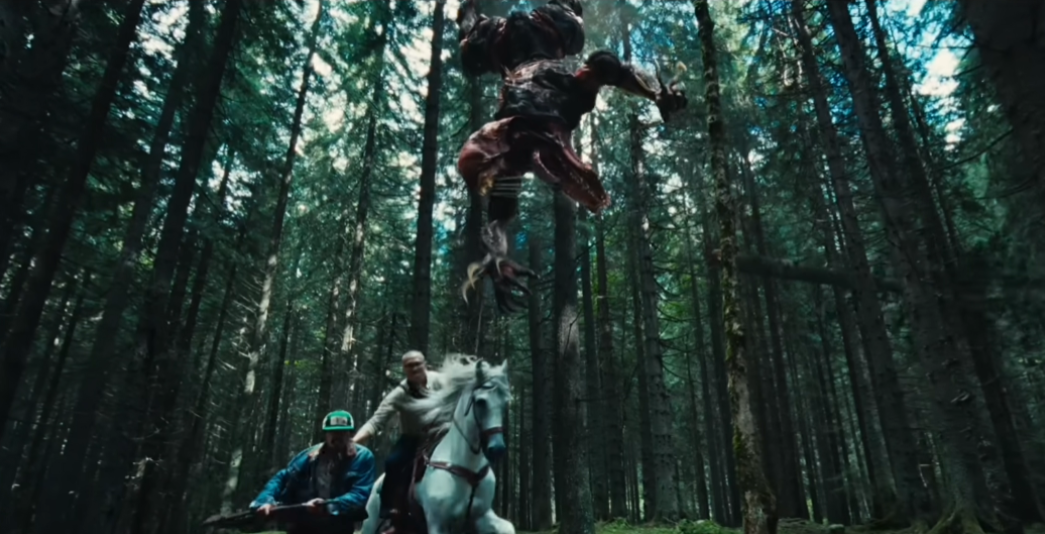
'Hope' is a film that proves the existence of theaters.
Additionally, if you want to treat your eyes and ears, go Dolby; if you want to experience it with your whole body, go 4DX; if you want to check what happens even beside your eyes, go ScreenX. There are 3 more reasons to head to a theater.
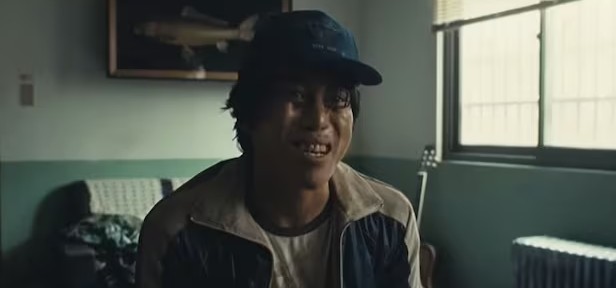
"You still haven't seen it? If you don't see it now, the freshness fades…." (Um Mun-seok)
Reporting | Lee Ajin, Yuha Neul
Photography | Seunghoon Lee
Photos provided by | Plus M, Posed Film, CJ CGV, Megabox