

[Dispatch=Reporter Kim Ji-ho] ※ This article contains some spoilers for the film 'Hope'.
We know the mythological archetype of hope. When Pandora could not resist her curiosity and opened the jar, all misfortune spread into the world. The one thing that stubbornly remained inside was hope.
Hope originally gains greater presence as disaster and despair intensify. In other words, without the premise of misfortune, hope cannot exist. This sticky coexistence of misfortune and hope is the honest theme that director Na Hong-jin designed for 'Hope'.
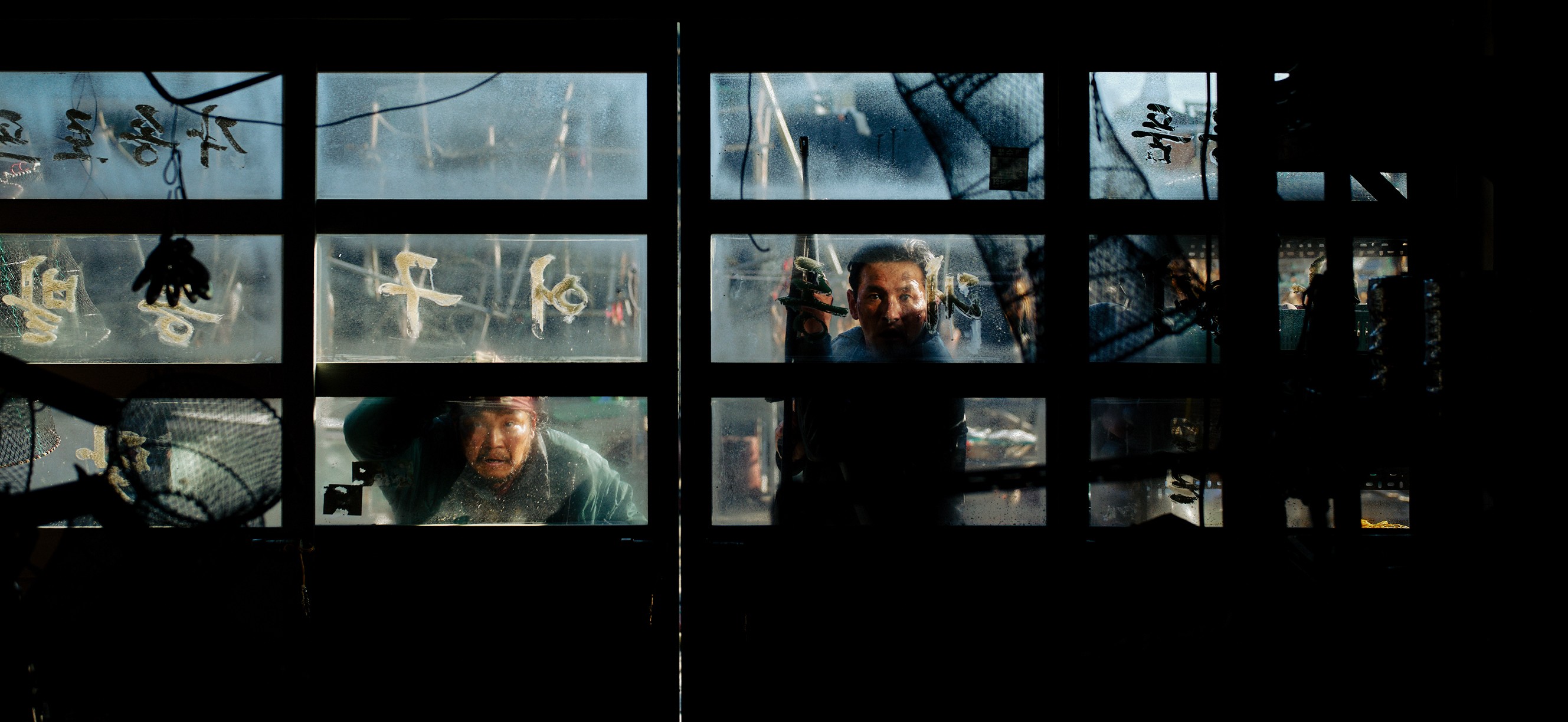
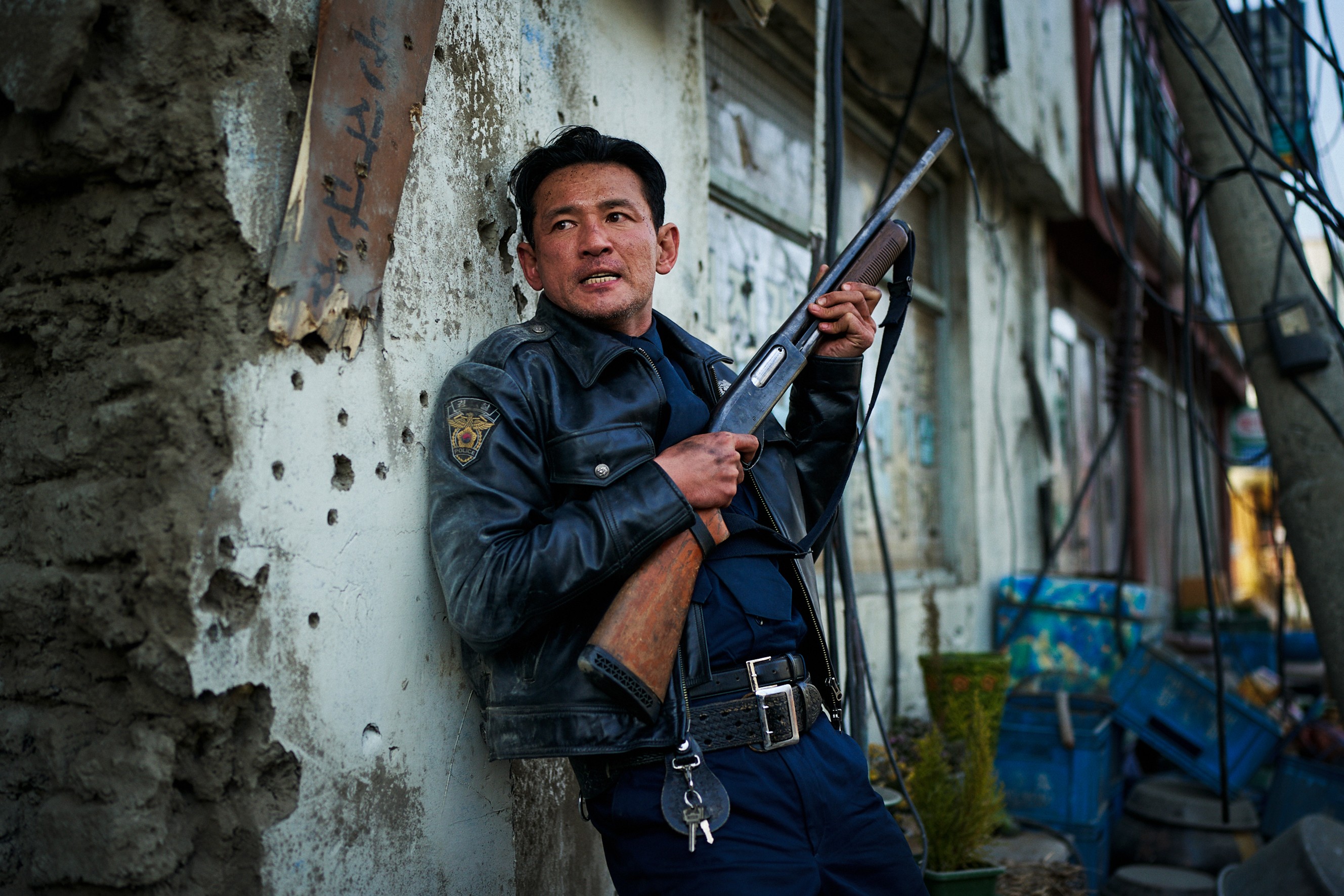
In the first hour, an inexplicable calamity unfolds in Hopohang. Beomseok (played by Hwang Jung-min) is unaware of this calamity and trembles with fear. The gun he fires is powerless, and instead only adds to the calamity (killing a friend). Beomseok is too weak to be called a protagonist, and the line between good and evil is unclear.
Just as the audience begins to question this protagonist, director Na Hong-jin reveals the origin of the calamity. Yangbae (played by Eum Moon-seok), a character who doesn't seem particularly important, was Pandora. His modest otaku-like collecting habits were the problem.
To him, a cute-looking alien baby, a taxidermied animal, or a female mannequin displayed in the yard are all the same. The only disappointment is that this trophy is somewhat expensive.
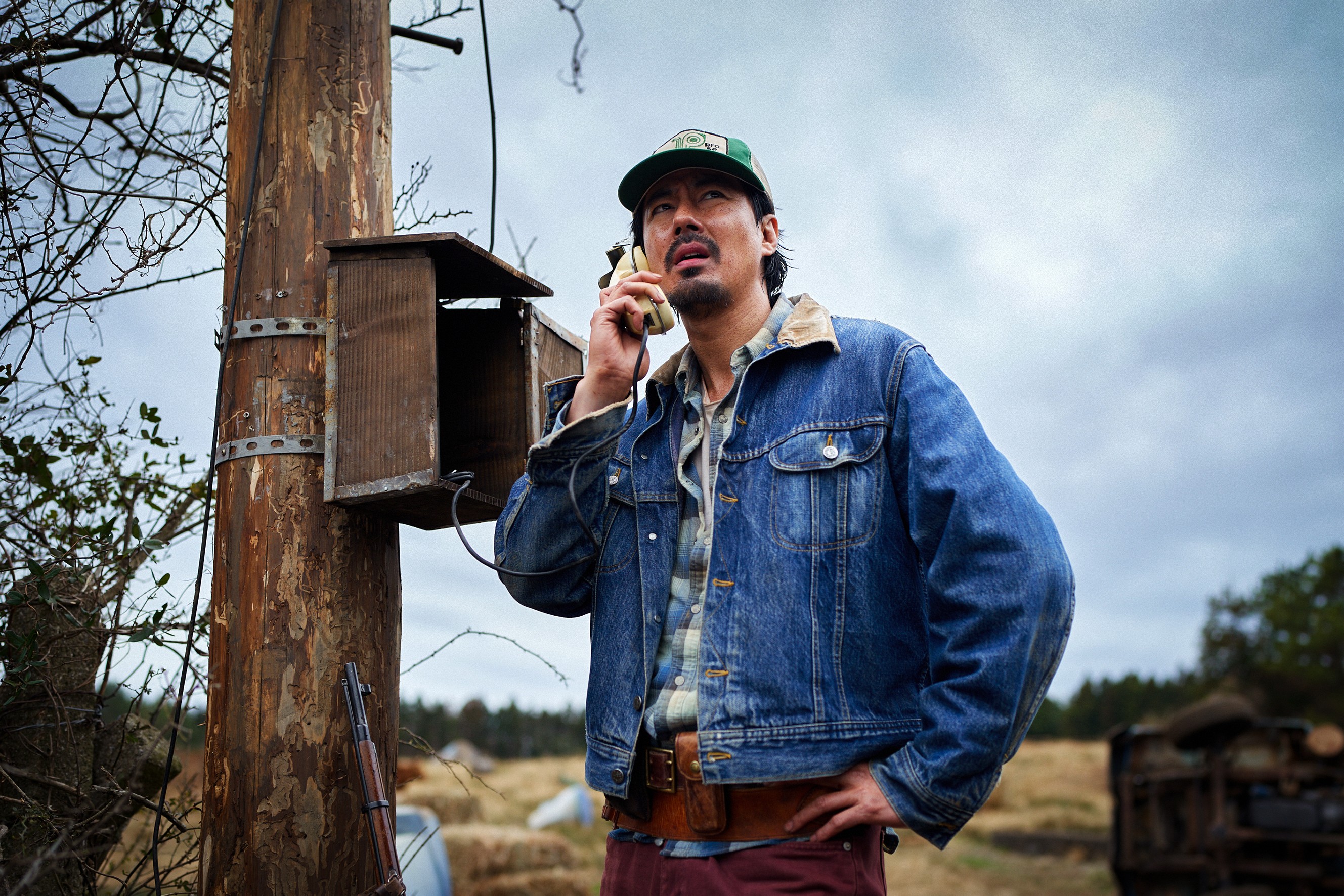
Moreover, it is premature to be surprised by the thrilling battle between the residents of Hopohang and the aliens. Because in this war, the hero Sunggi (played by Cho In-sung), who appears to achieve a great victory in a moment, vanishes in vain.
Furthermore, director Na Hong-jin entrusts the exit of Sunggi, who displayed an enormous presence, to Yangbae. Yangbae simply turns the steering wheel slightly to avoid a cat, and Sunggi disappears.
In fact, we don't even know whether Yangbae actually saw a real cat. Director Na Hong-jin deliberately concealed it. Moreover, the director delivers one more twist. In the very end, Sunggi revives as if nothing happened.
The ending is also a complete departure. The moment the aliens' language is translated and appears as subtitles, a massive reversal of subject and object is completed. If the bizarre horror film from the beginning of the movie became a creature film, it ends as a prologue to an 'Avatar'-like sci-fi film.
The aliens, which by humans' expression "smelled like shit," turned out to be the real protagonists. They became the subjects bearing a tragic fate of repeating despair and hope. Now we must shift our focus to these pitiful aliens, but the film ends vainly.
Conversely, the residents of Hopohang are reduced to barbaric antagonists. Then did the audience spend 150 minutes intensely following the story of supporting characters (or even extras) rather than the protagonist?
'Hope' is attractive because of the endless reversals of subject and object unfolding throughout. What appeared to be important becomes meaningless, and trivial things that seemed completely unimportant bring shock.
Like the question in the film, "Is that important right now?", 'Hope' constantly shakes all the importance the audience holds onto. All of this process—disaster, hope, importance, meaninglessness—repeats. Director Na Hong-jin dismisses these as merely fate's joke.
Looking back, director Na Hong-jin showed fear close to cosmic horror in 'The Wailing' and 'Longlegs' (planning and production). He dealt with humans confronting mysterious beings with overwhelming power. In 'Hope', aliens simply occupy the position of absolute force.
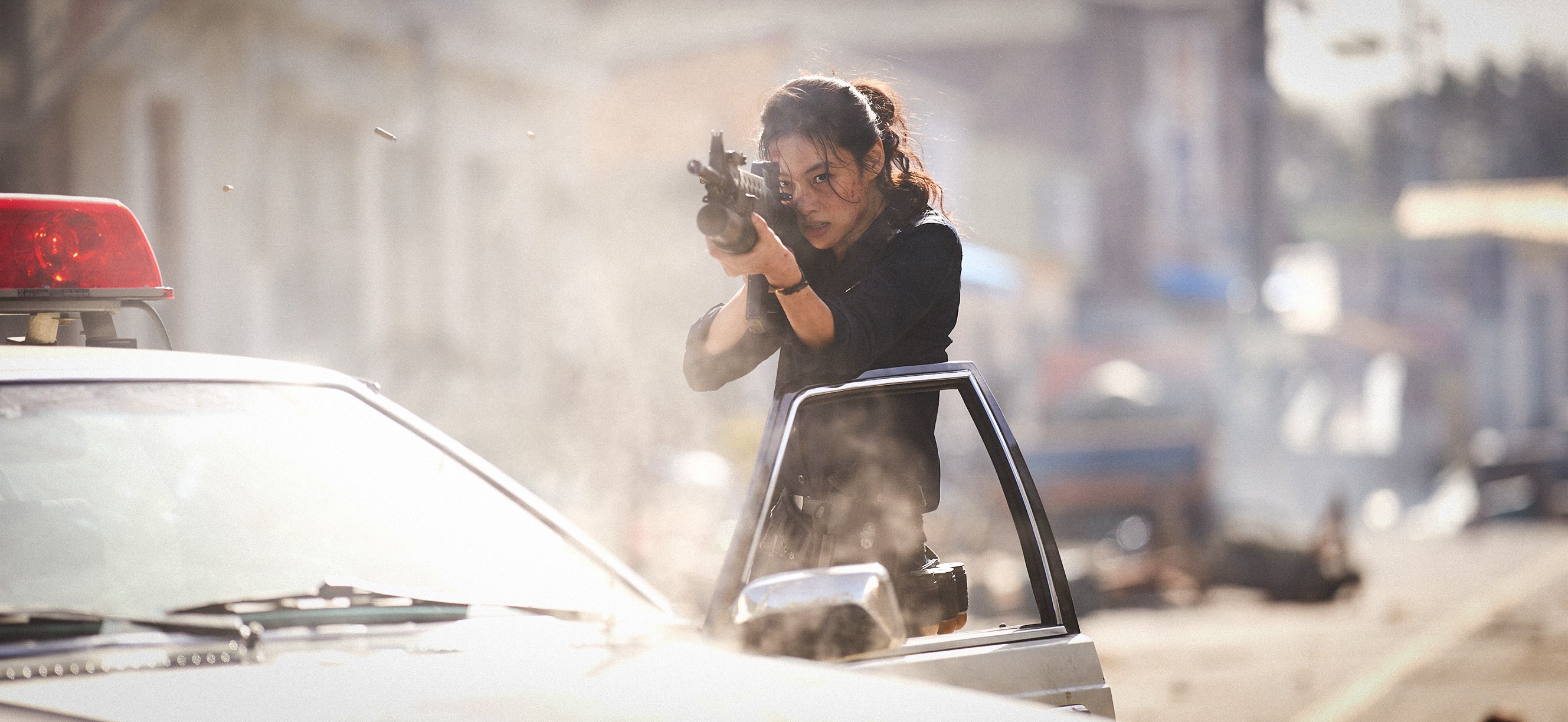
However, here director Na Hong-jin goes one step further. If the humans in 'Longlegs' surrendered helplessly before evil spirits, the humans in 'Hope' fight equally and even kill the aliens.
That doesn't mean the aliens are defenseless. They too are victimized like humans, then pursue, despair again, hold hope. They even foretell actions that could change their fate. They stand in opposition while sharing the theme of 'hope' with humans simultaneously.
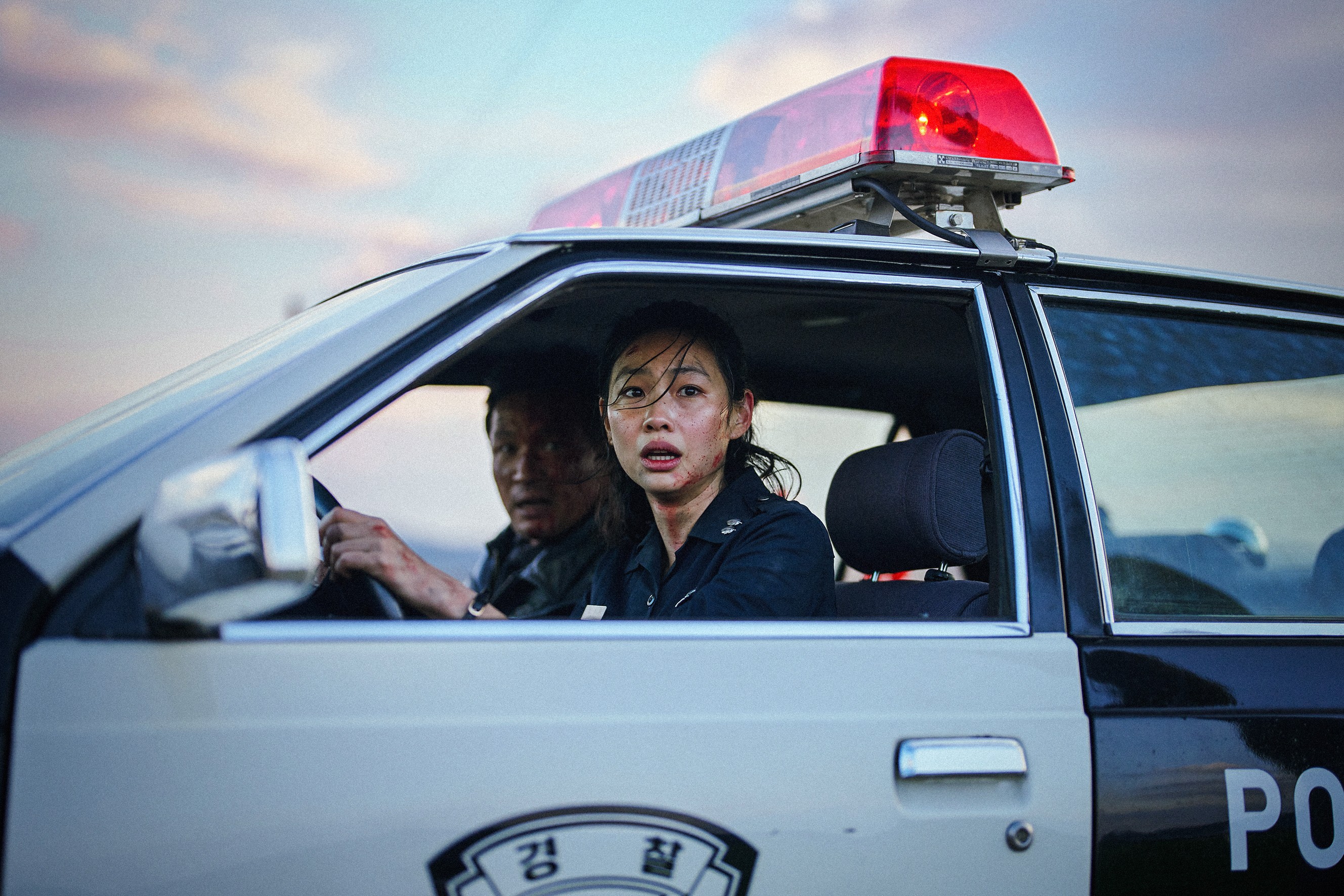
Perhaps director Na Hong-jin's anguish lies in Beomseok's dialogue in the ending.
Sungae: Don't you like my plan?
Beomseok: I'm not sure either. My head just won't organize itself. It's just... my heart! My heart is... I feel weird for some reason.
Beomseok's futility is the very experience that audiences undergo as they exit the theater with this massive bait in their mouths. Indeed, after receiving 156 minutes of twists, audiences must leave the theater with strange and bizarre feelings.
Lastly, the hope and despair in 'Hope' are completed through audience reviews. If you willingly enjoyed director Na Hong-jin's bold experiment, you can join the "rooting for it" line. However, if you focused only on plausibility and inevitability, you might resort to rating terrorism as "strongly dislike".
Yet beyond likes and dislikes, the question all audiences ask themselves must be common. If your head is unorganized and your heart feels strange, you should cry out, "What exactly did I just watch?" This is why 'Hope' drives both critics and fans alike to madness.
<Photo source=Posed Film>